
FOREST PAVILIONS
A Symbolic Villa Design Language for Scalable Development
A modular architectural system based on a 3×3 grid — developed for villas, retreats, estates, boutique resorts, and premium residential environments.
- Flexible modular grid (3×3 system)
- Designed for prefabrication & scalability
- Licensable as an architectural language for villas, estates, and residential developments
REQUEST LICENSING / DEVELOPMENT INFORMATION

Audio Essay: FOREST PAVILIONS

Video Essay: Inside the Architectural Study
WHAT YOU RECEIVE
The Architectural Study includes:
- 3 complete house concepts (Radix, Arborium, Integrum)
- full floor plans for all configurations
- sections and elevations
- facade system with modular logic
- detailed exterior renders
- architectural system explanation
The Architectural Study is a conceptual and design-system document. It does not grant construction rights. Building, adaptation, or commercial deployment requires a separate license.
This is not a generic concept — it is a structured architectural system presented through real configurations.

A PROBLEM OF CONTEMPORARY DEVELOPMENT
Most residential projects start from zero.
Each new development requires a new design process, new coordination between disciplines, and repeated costs and delays.
In premium residential development, the problem is not only efficiency. The deeper problem is identity. Many developments are technically competent, but visually interchangeable.
The result:
- Inefficiency
- Lack of scalability
- Inconsistent architectural identity

A SYSTEM, NOT A SINGLE HOUSE
Forest Pavilions is a modular architectural framework.
Instead of designing each project from the beginning, the system allows you to operate within a defined structure capable of producing multiple outcomes.
Controlled variation. Scalable logic. Consistent architectural language.
The three houses presented in the original study are not the final limit of the system. They are the minimal vocabulary — the first grammar of a much larger architectural language.
Stop redesigning every project from scratch.

ARCHITECTURAL LANGUAGE
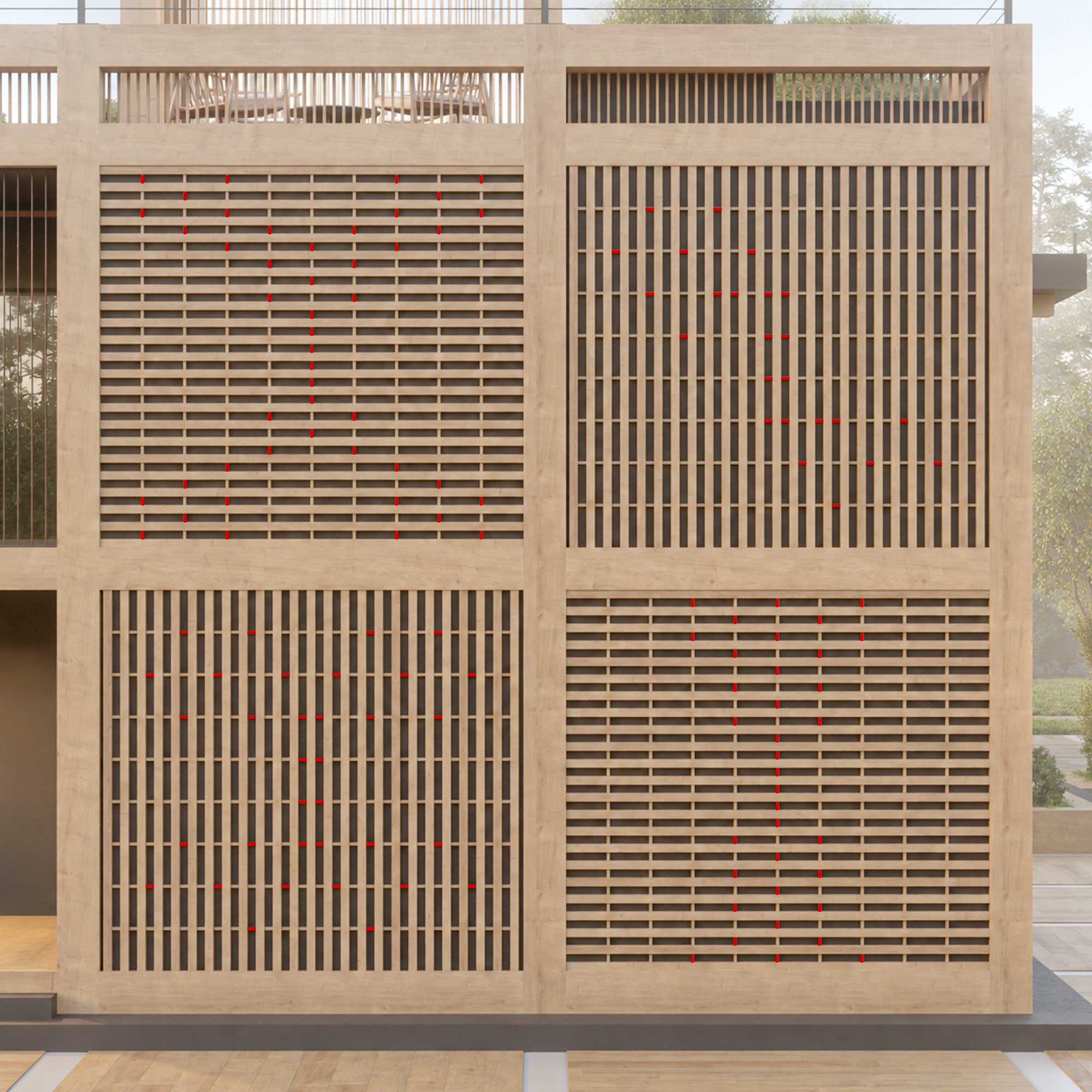
Architecture here is not treated as a static object, but as a system of relationships.
- The facade is not decoration — it is structure.
- The module is not limitation — it is grammar.
A limited set of elements generates unlimited combinations of complexity.
A system replaces repetition with variation.
Forest Pavilions operates as both a design tool and a conceptual framework.
ARCHITECTURAL TYPOLOGIES
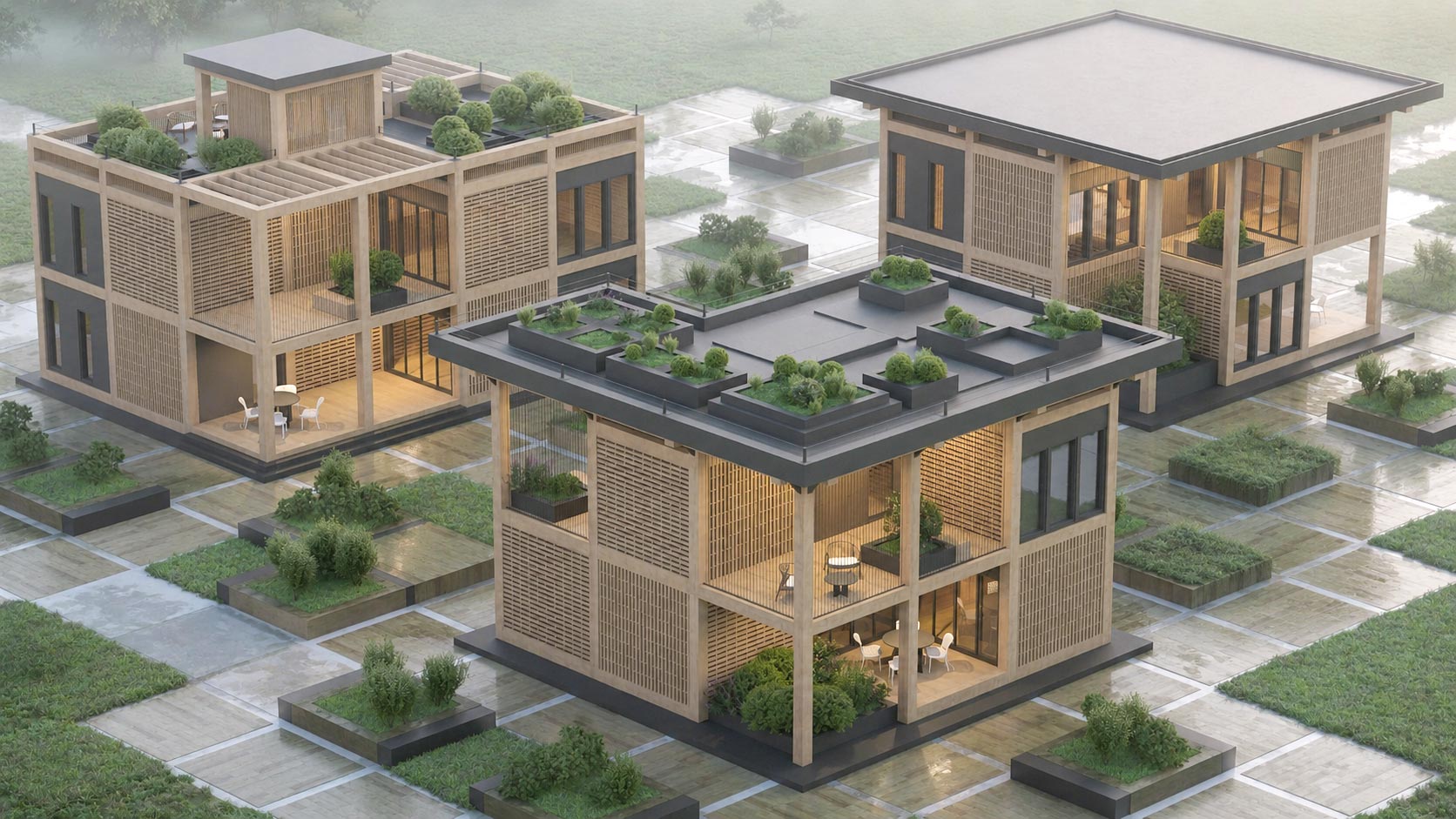
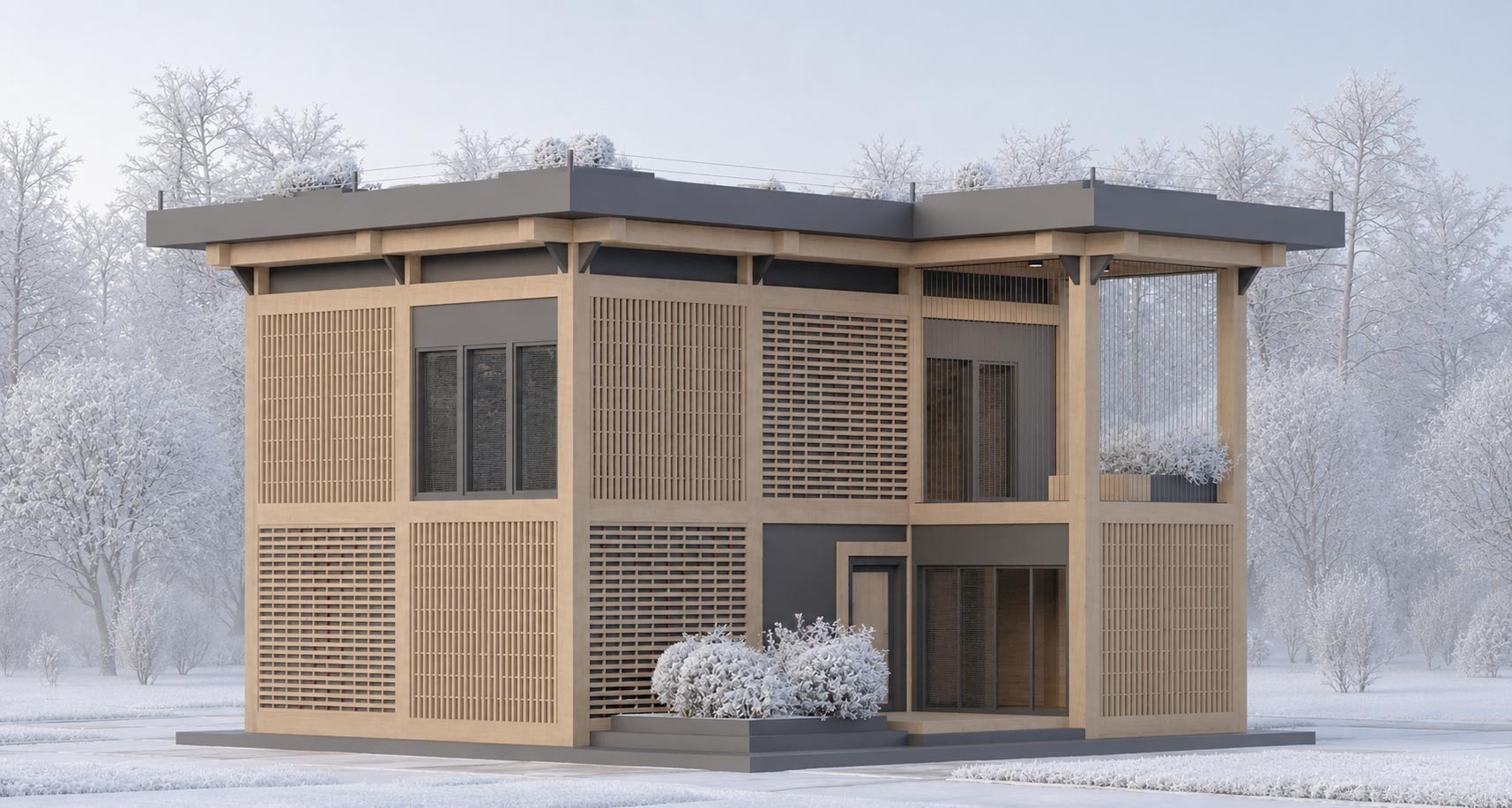
The current study presents three initial expressions of the system:
RADIX
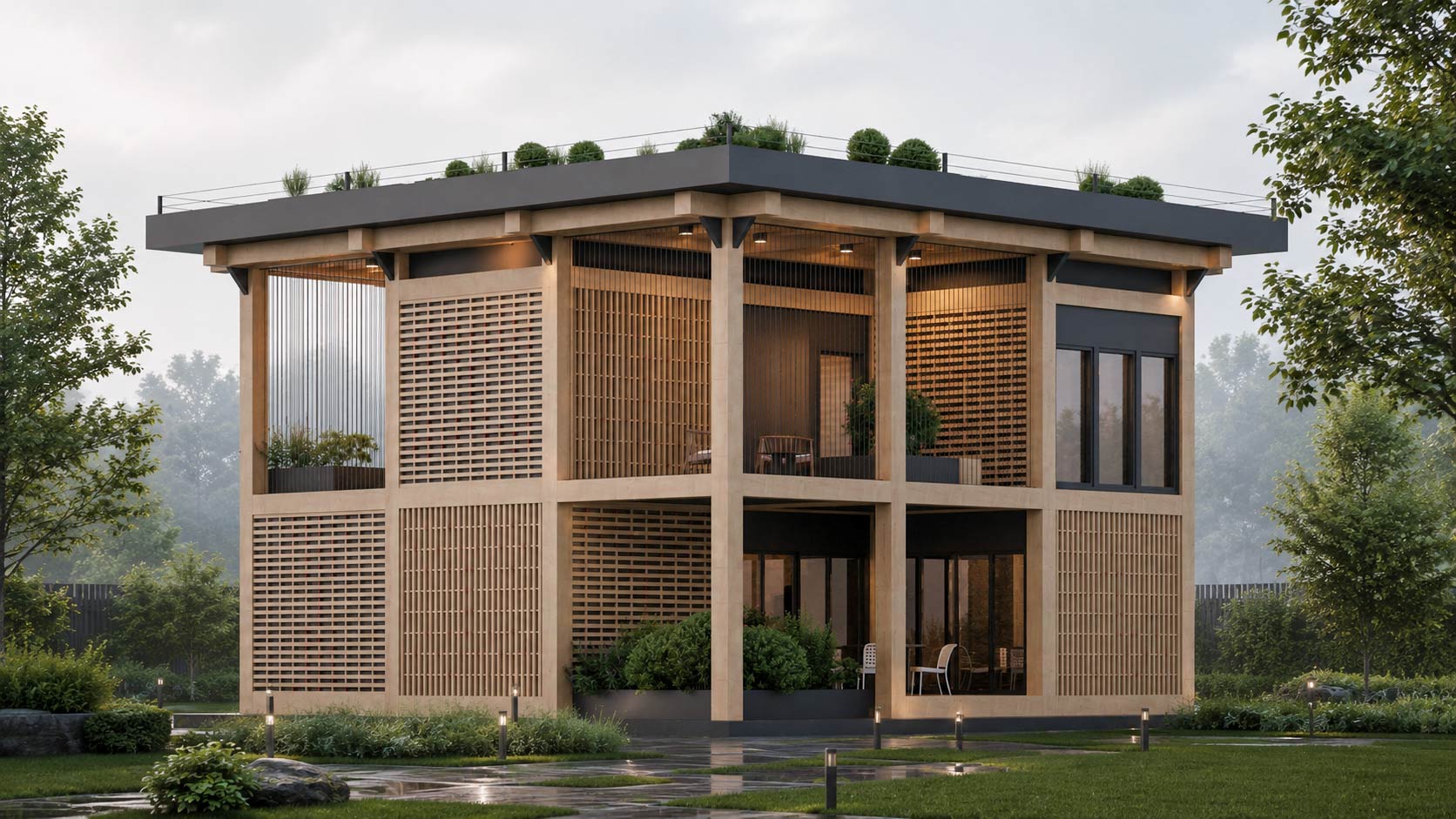
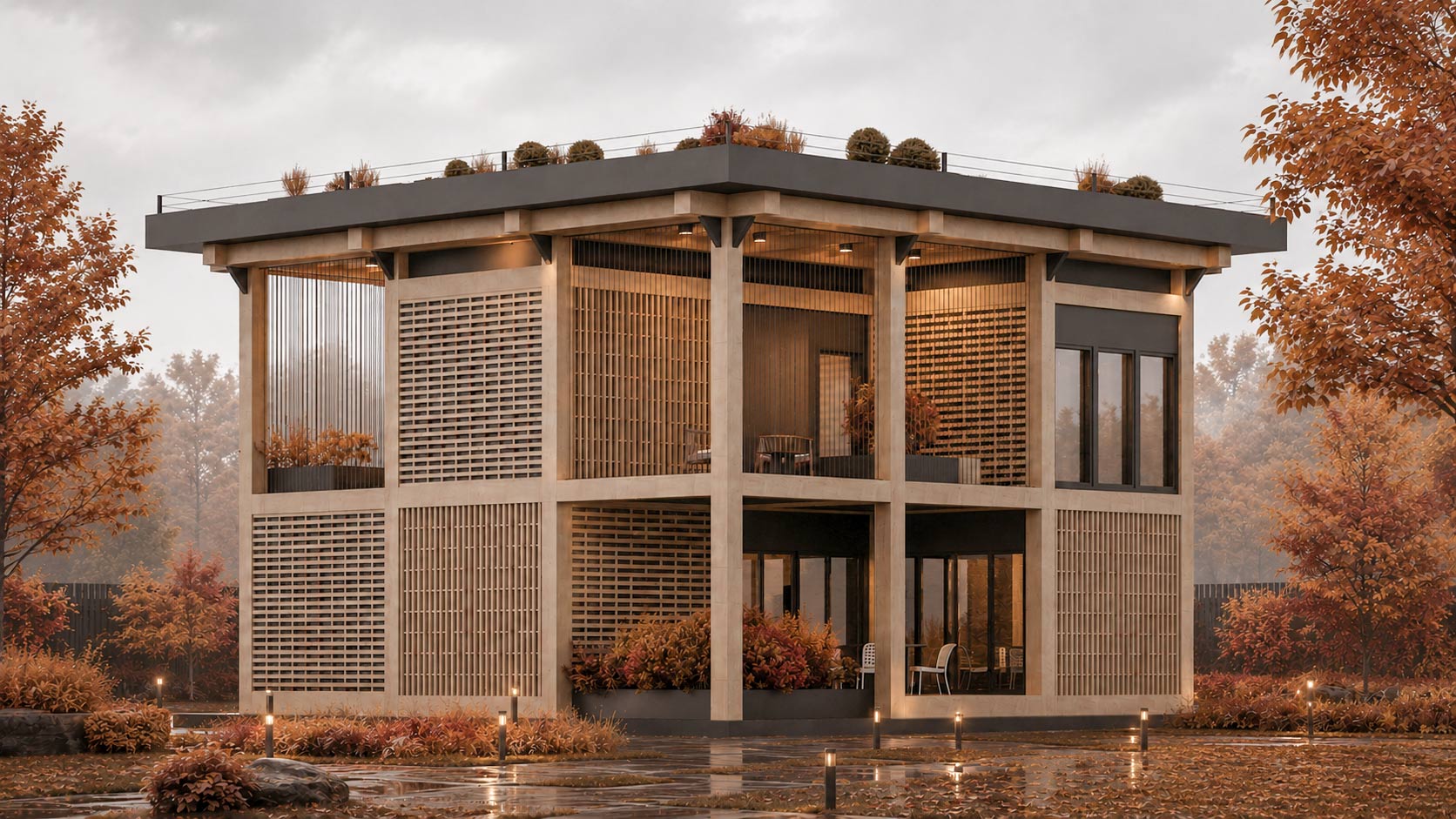

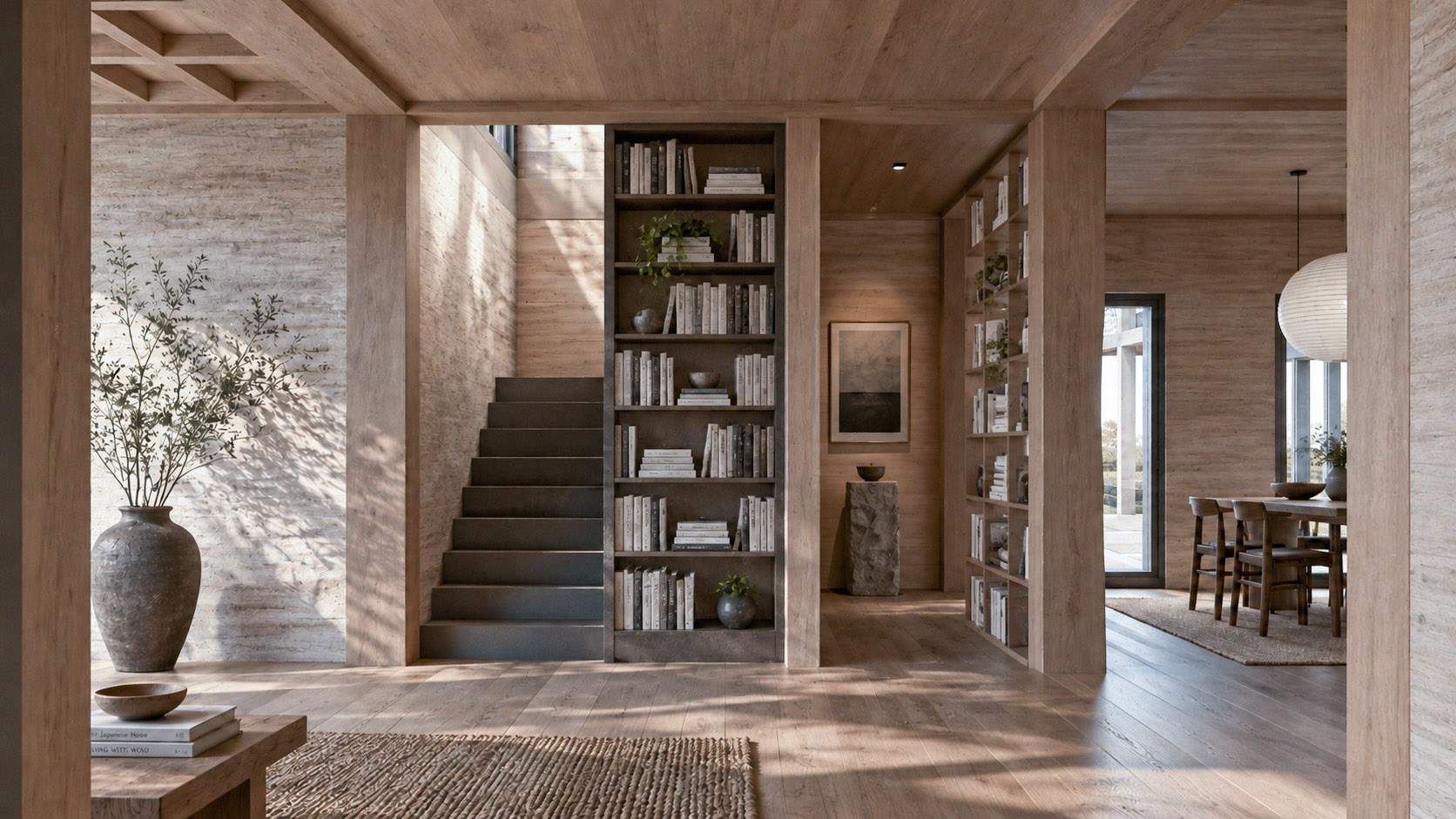
ARBORIUM
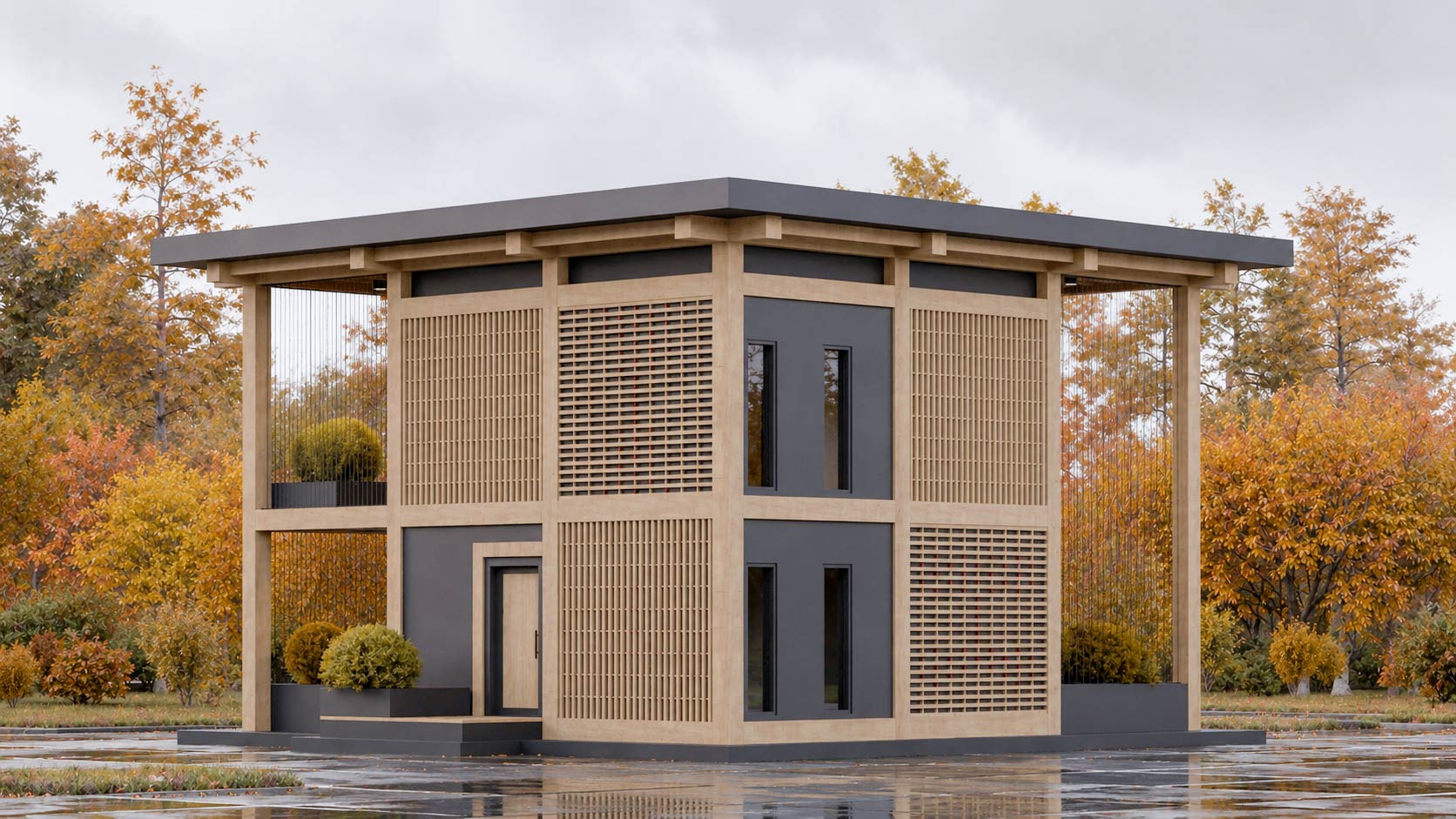
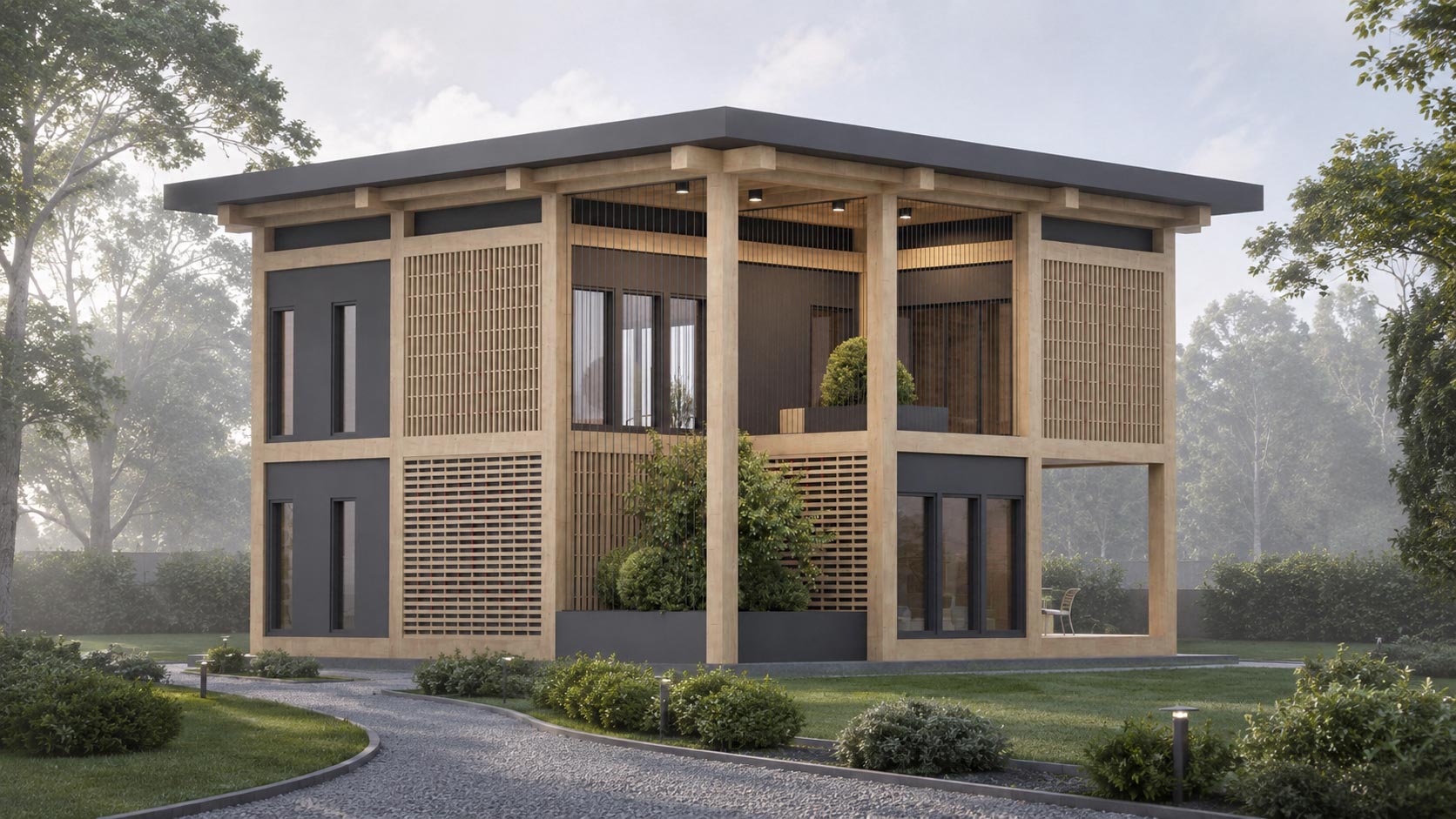
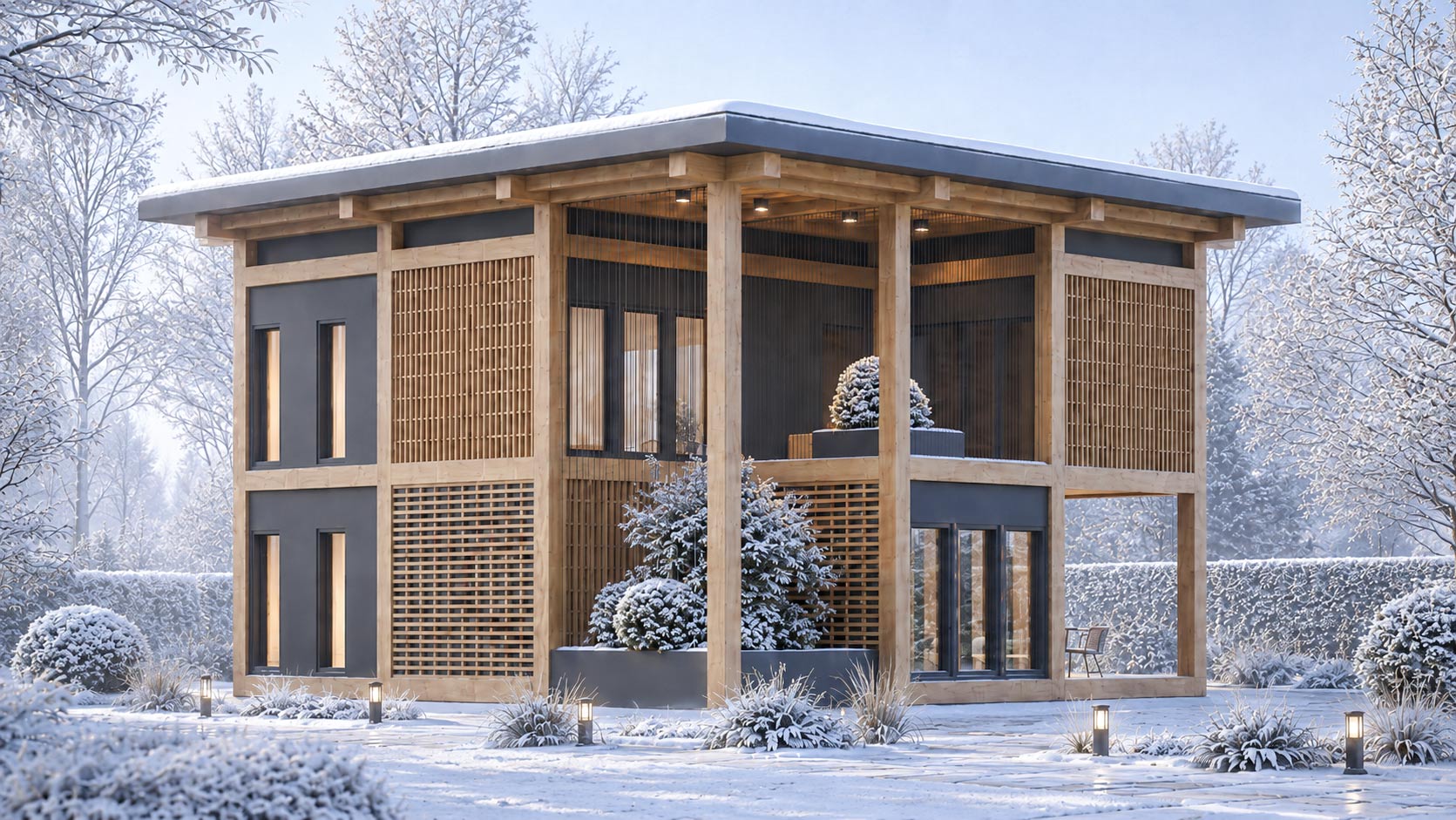

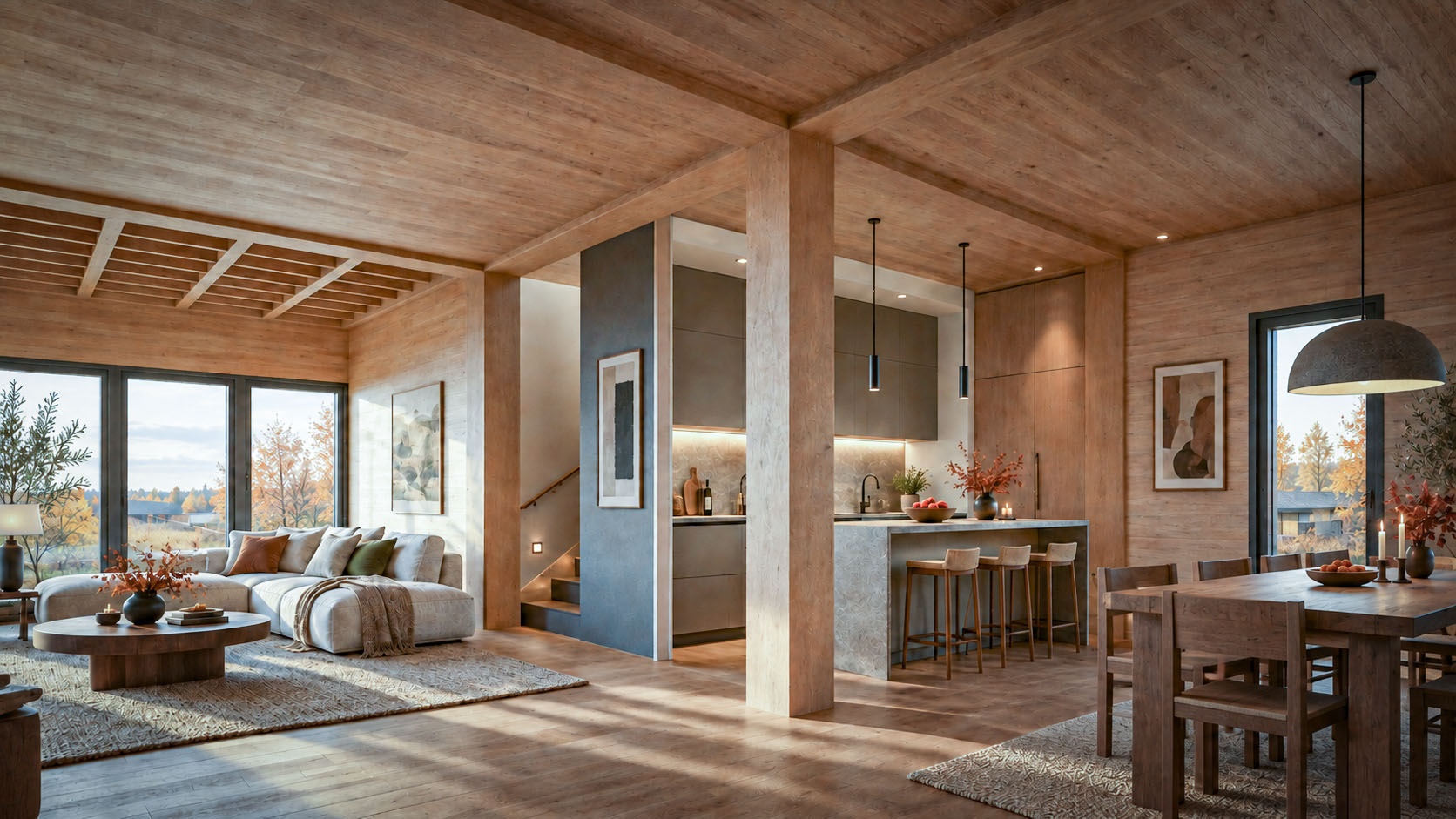


INTEGRUM
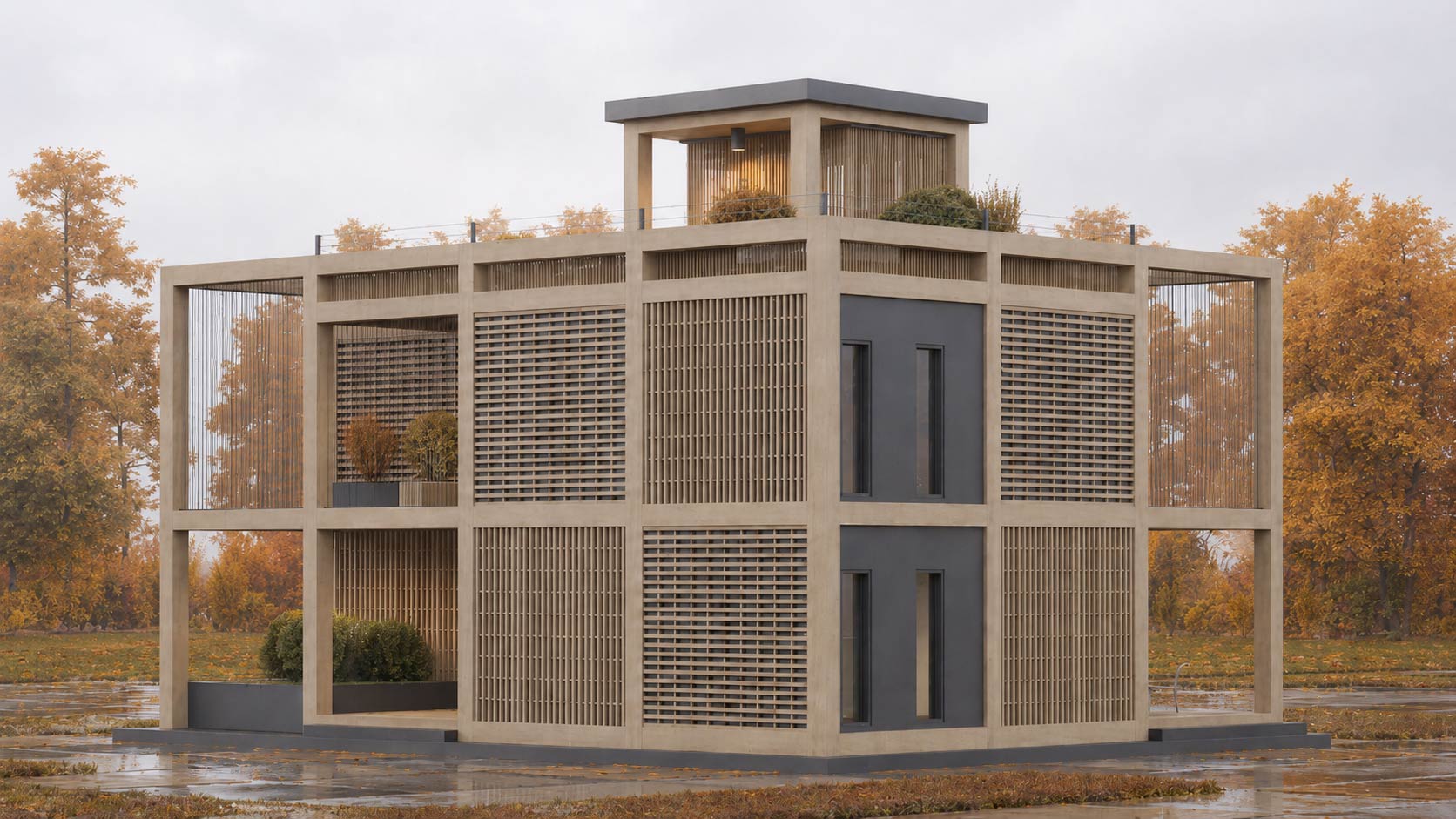
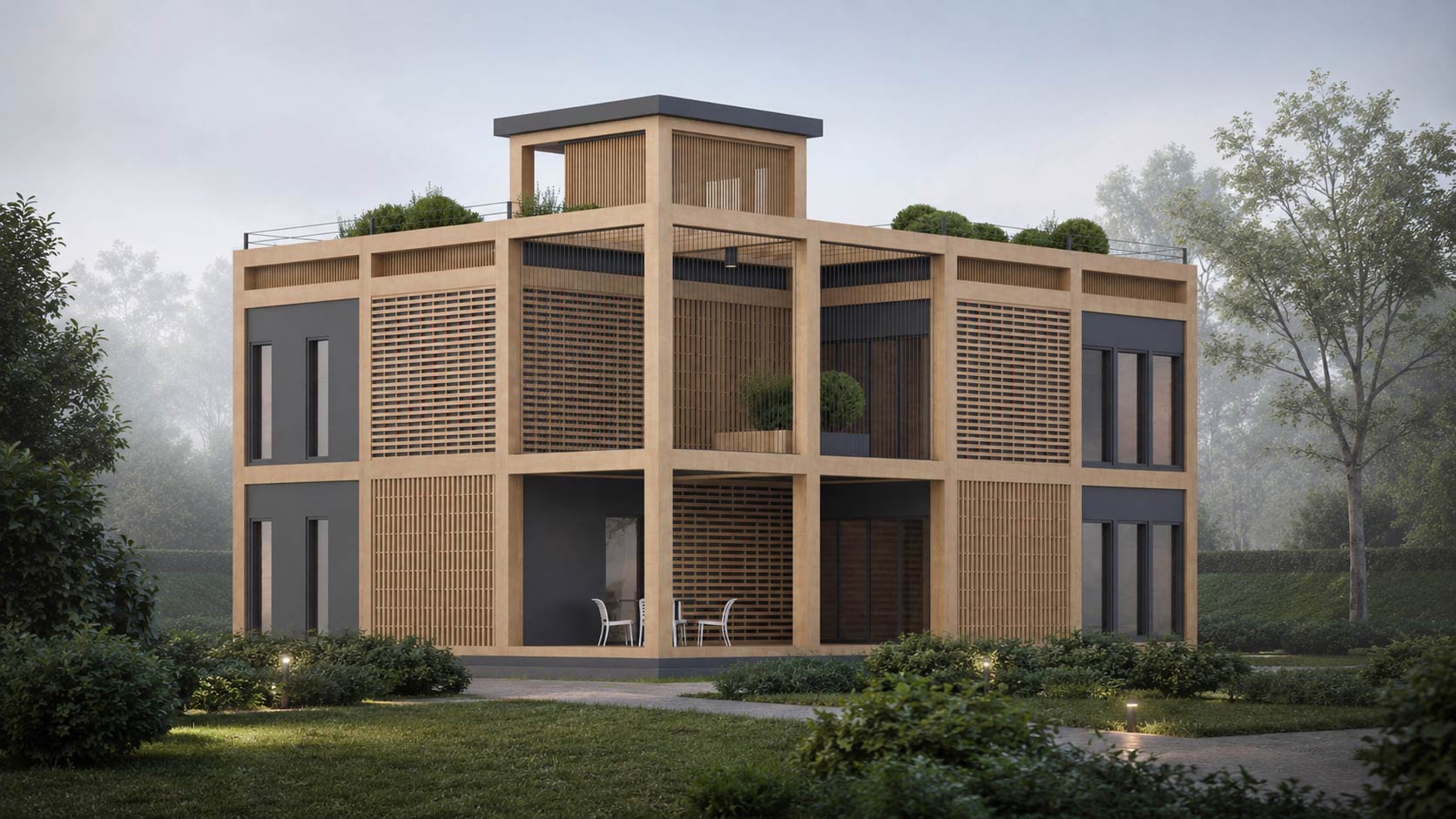
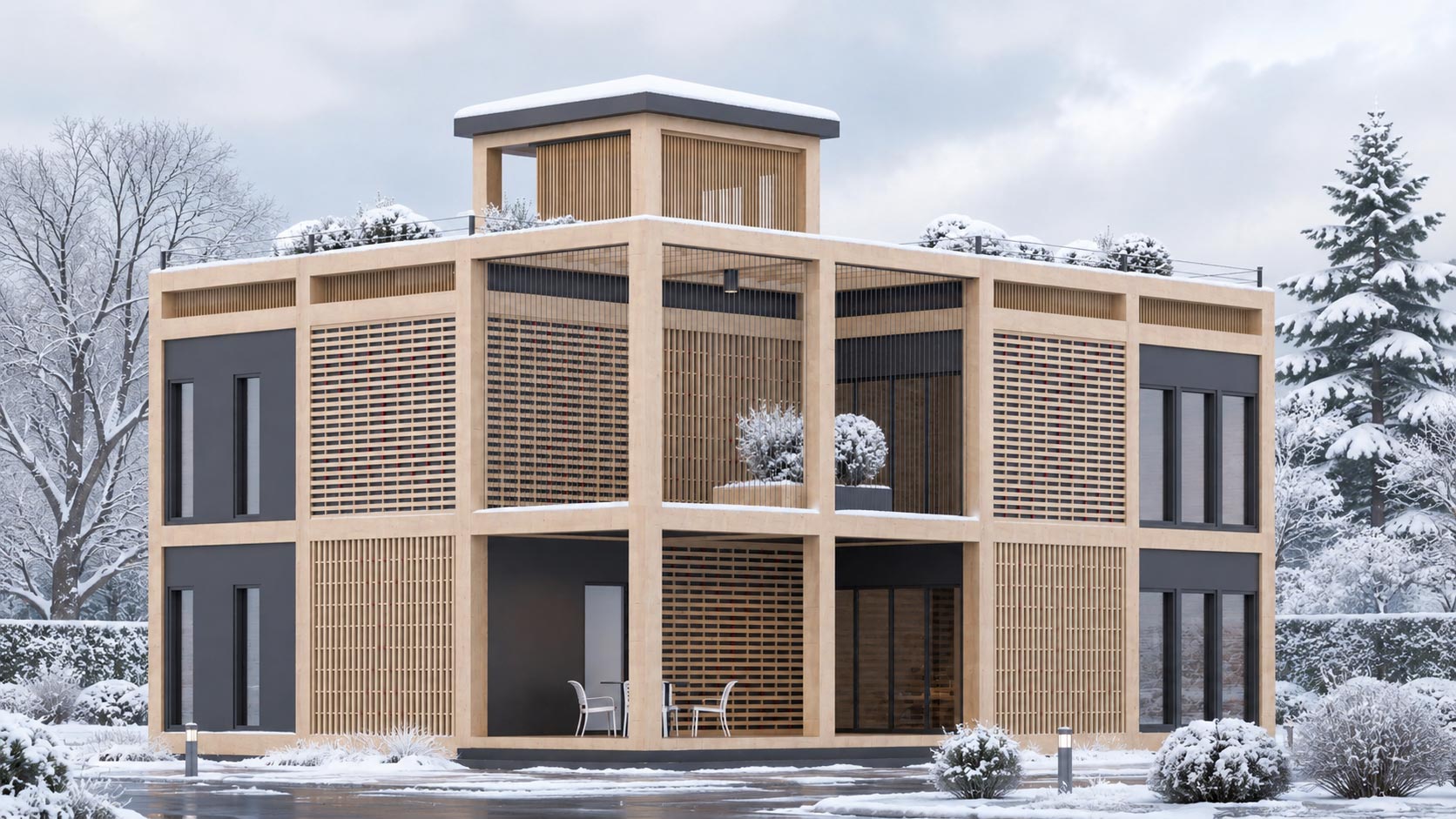

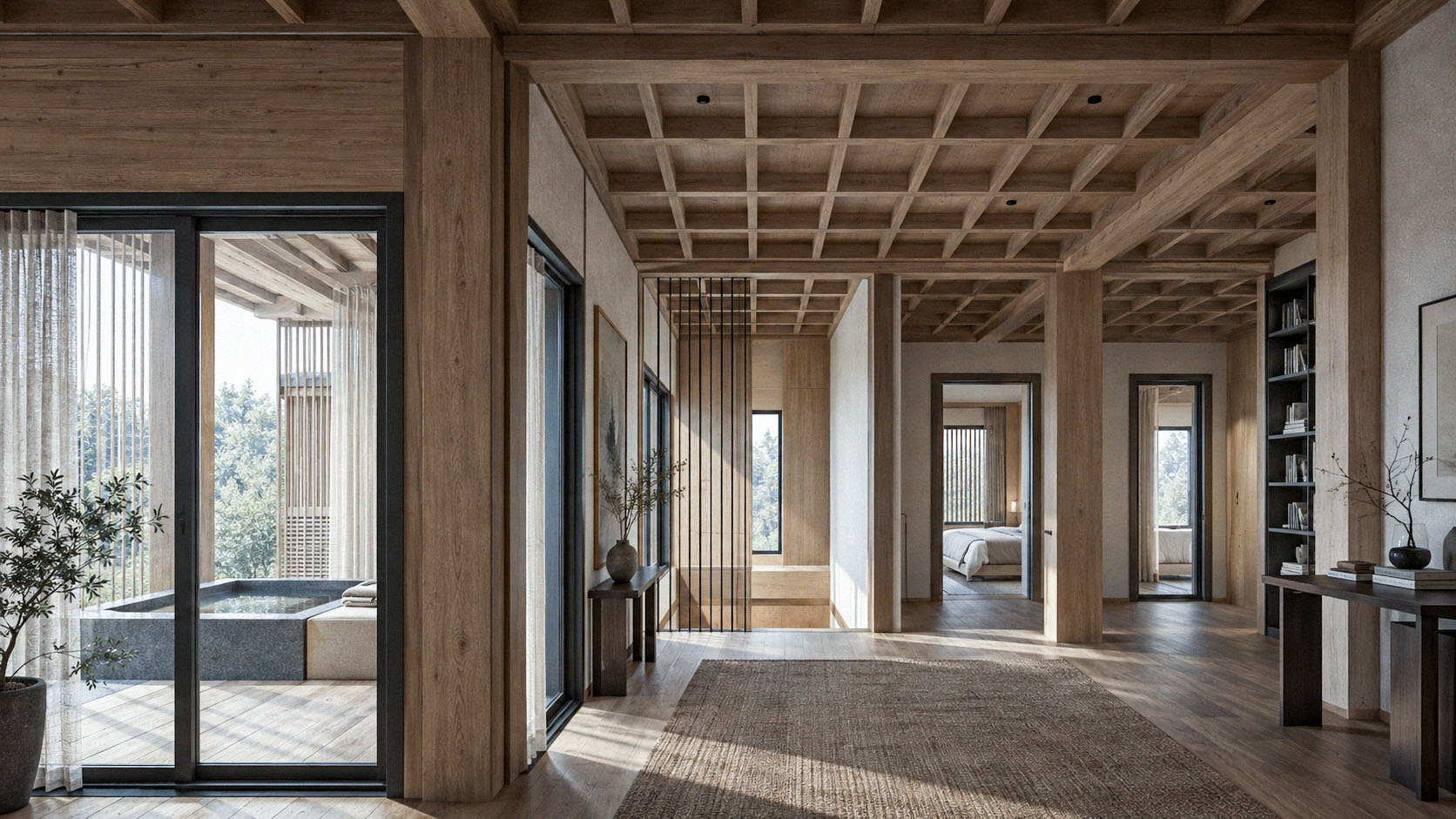
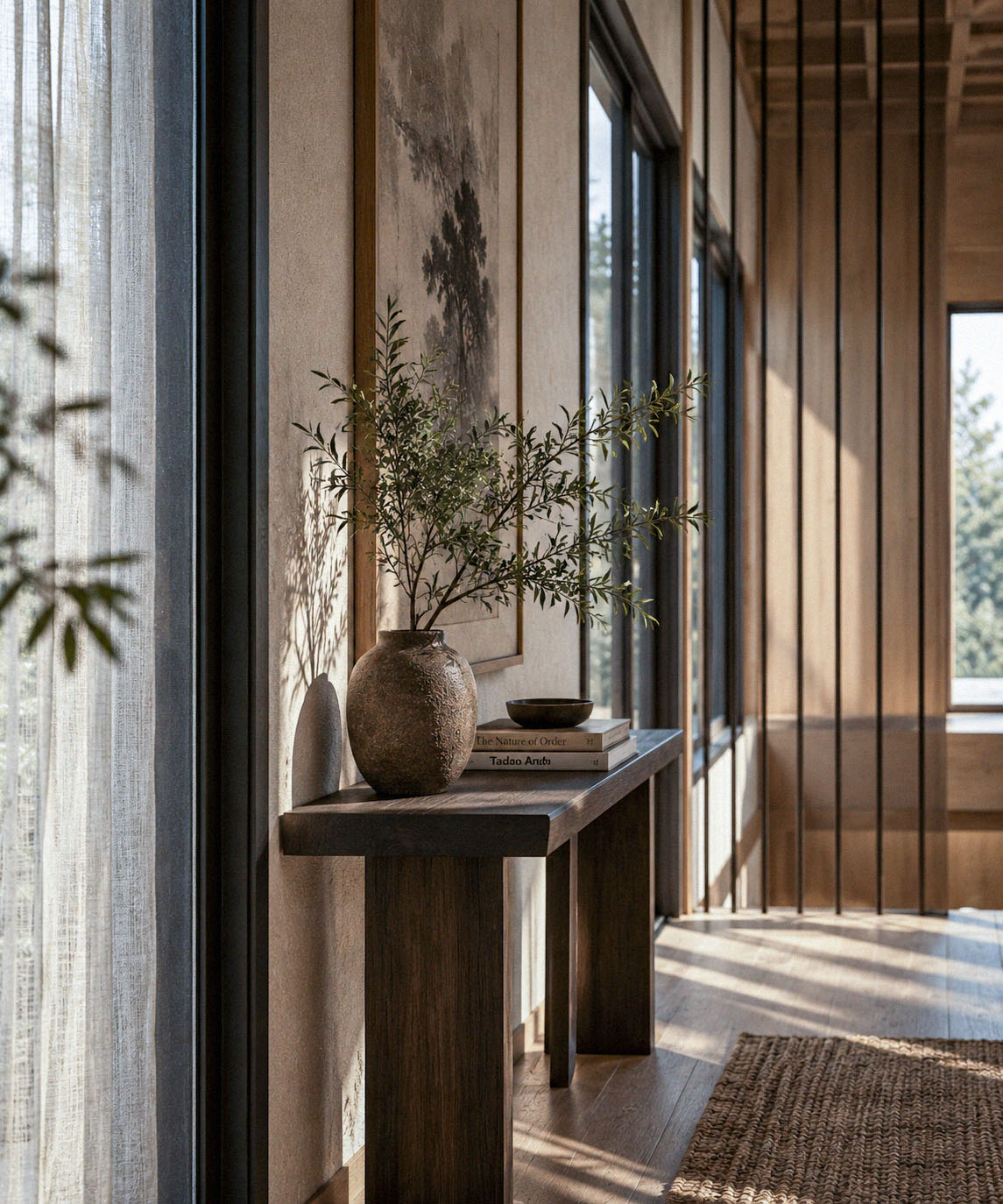
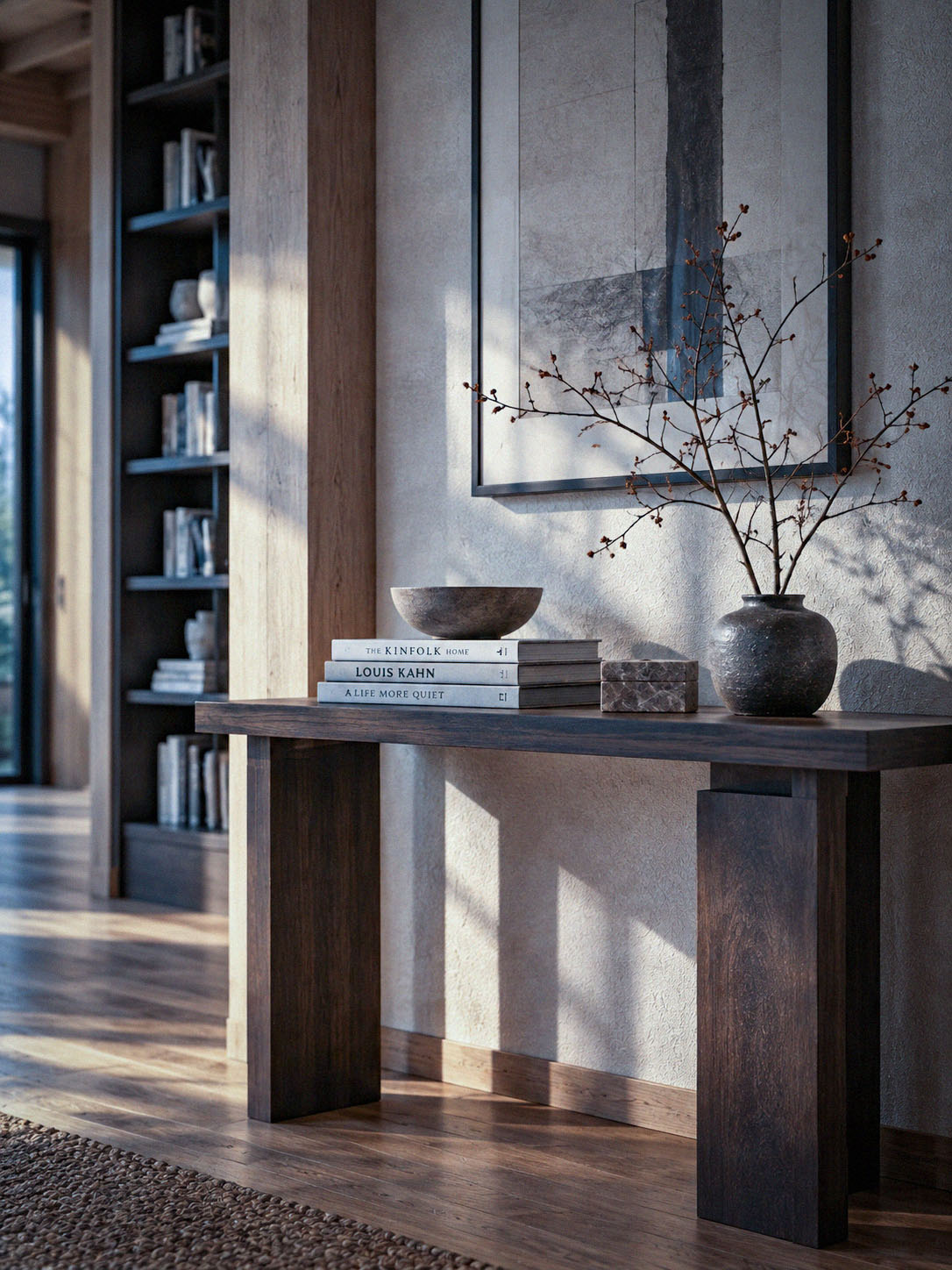
THE MODULAR LOGIC
At the core lies a 3×3 meter grid.
A limited number of elements. An unlimited number of configurations.
The system defines:
- Spatial organization
- Conceptual structural logic
- Facade language
- Rules of expansion

Each configuration can be modified, expanded, and recombined.
The module is not a limitation — it is the rule that allows variation to remain coherent.
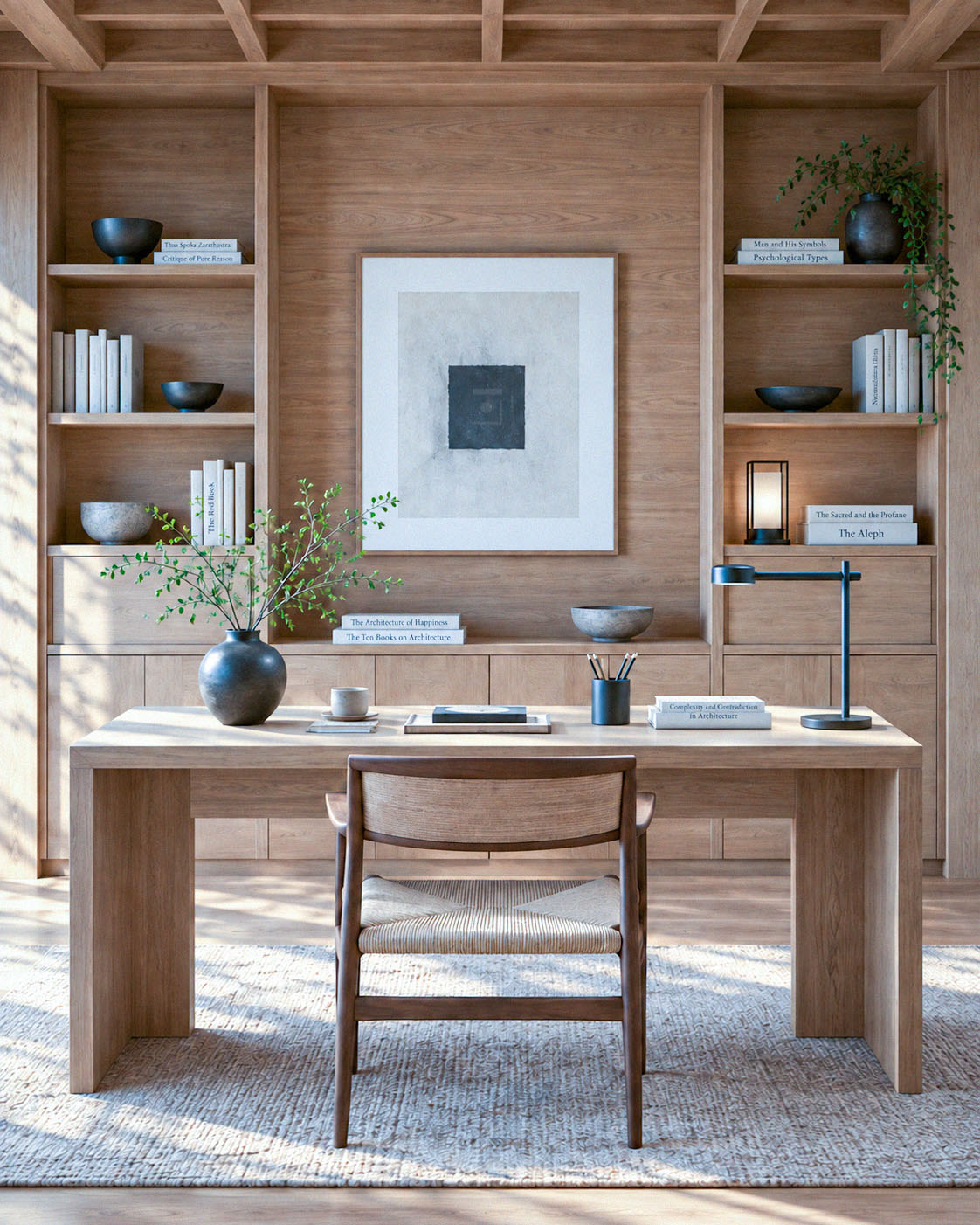
Discover the Code: The Logic Behind the Form

APPLICATIONS
For Developers & Companies
- reduces design time across multiple projects
- enables repeatable development models
- creates a unified architectural identity
- adaptable to different sites and markets
Includes:
- Base architectural configurations
- Scalable design logic
- Framework ready for adaptation
For serious development projects, the system can move beyond the base study into bespoke villa concepts, site-specific adaptations, and expanded facade languages.
For Individuals
- architectural study (PDF)
- conceptual design system
- spatial logic and visual documentation
Option to:
- Build through licensing
- Request full customization

BESPOKE DEVELOPMENT
The original study presents the base system. For serious clients, Forest Pavilions can be expanded into a site-specific architectural language.
Includes:
- custom villa concept development
- adaptation to a specific site or estate
- development of a recognizable villa line or architectural product identity
- expanded facade grammars
- new ideogram lexicons
- design direction for local architects and engineers
- symbolic narrative for the project identity
HOW IT WORKS
STEP 1 — REVIEW THE ARCHITECTURAL STUDY
Understand the spatial logic, facade language, typologies, and modular principles of the system.
STEP 2 — DEFINE THE PROJECT SCALE
Single residence, boutique development, private estate, resort, prefab line, or larger residential deployment.
STEP 3 — LICENSE OR CUSTOMIZE THE SYSTEM
Agree on usage rights, project scope, and the level of authorial design involvement.
STEP 4 — DEVELOP WITH PROFESSIONALS
The concept is adapted by licensed architects and engineers according to site, structure, local codes, and construction requirements.

LICENSING & DEVELOPMENT
Purchasing the Architectural Study does not grant the right to build. Construction, adaptation, or commercial deployment requires a separate written license.
The system is available through different licensing models:
- Single Residence License
- Small Development License
- Large Development License
- Enterprise License
All licenses are defined based on project scale and agreed individually.
WHO IT IS FOR
- High-end villa developers
- Boutique resort developers
- Private estate developers
- Premium prefab / timber housing companies
- Residential developers seeking a distinctive architectural identity
- Investors developing retreat, wellness, or nature-based residential projects

WHY FOREST PAVILIONS
- creates a recognizable architectural identity
- transforms a house model into a scalable design language
- allows controlled variation without losing coherence
- gives developers a visual and narrative world to build upon
- supports licensing, customization, and project-specific adaptation
- moves modular housing beyond repetition and generic form

DEVELOPED BY
The Architectural Mythologems
The Architectural Mythologems is an architecture and design studio developing symbolic architectural systems, authored spatial languages, and concept-driven residential environments.

IMPORTANT NOTE
This is an architectural study and design system, not a construction-ready project.
Structural calculations, MEP systems, and local compliance must be developed by licensed professionals based on project location.
Construction requires a separate license agreement.

ARCHITECTURAL STUDY (PDF)
A complete presentation of the system, including:
- Design logic
- Spatial organization
- Facade language
- Visual documentation
For individuals, architects, and developers.
Get Instant Access to the Study
START A PROJECT
Forest Pavilions is designed to be reviewed, licensed, customized, and developed into site-specific architectural projects.
