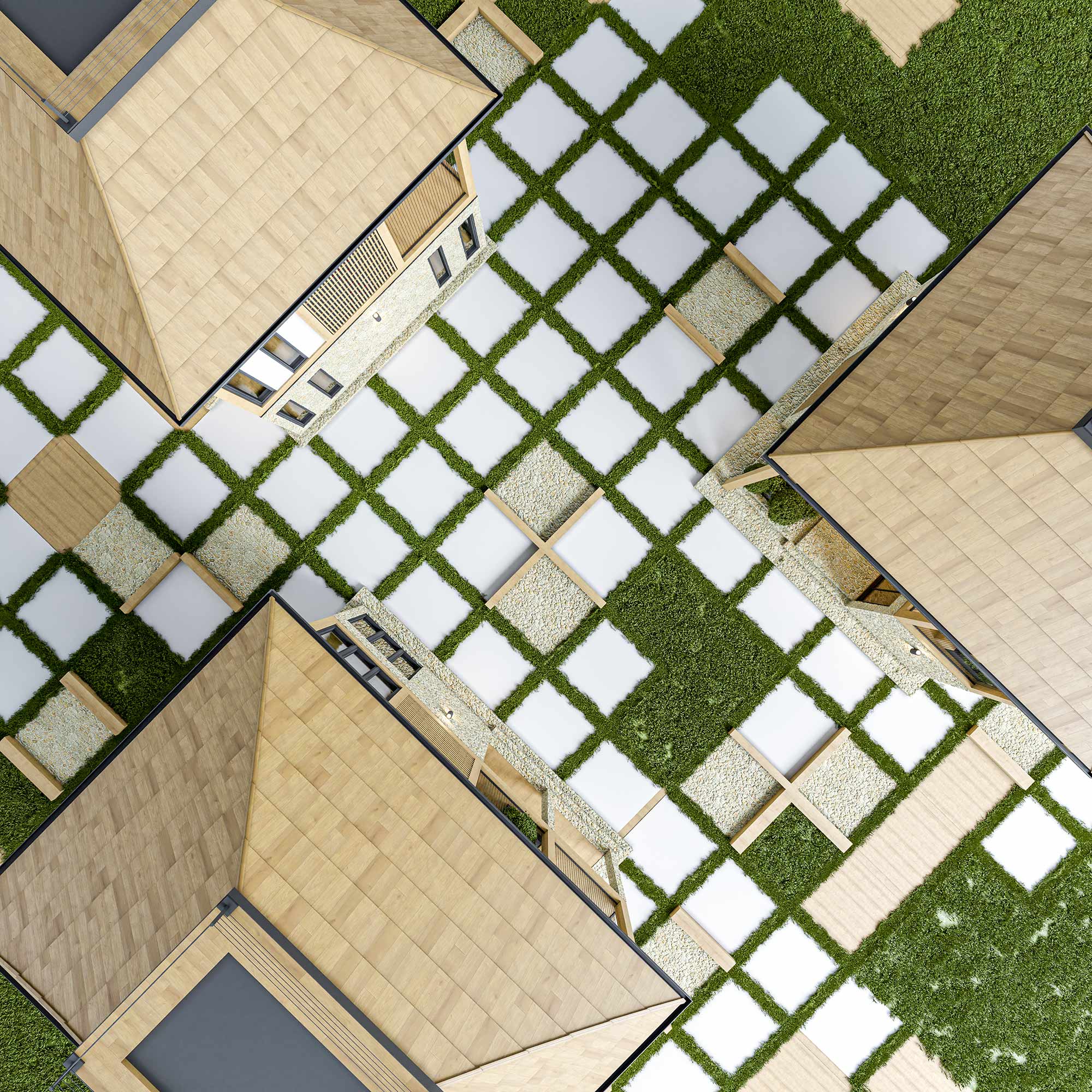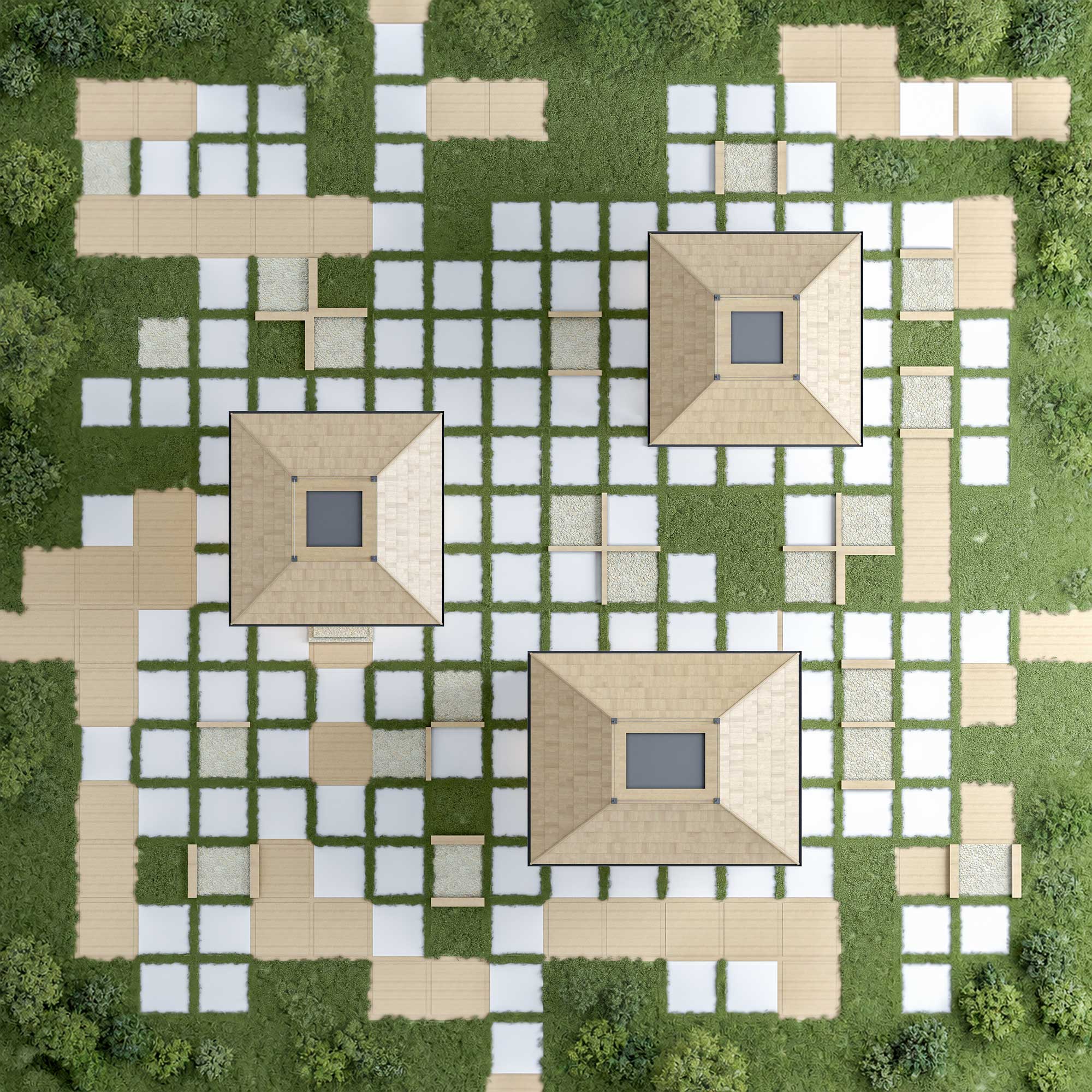
FOREST PAVILIONS | Dinaric Archetype
FOREST PAVILIONS
DIALECT 003 – DINARIC ARCHETYPE
An Architectural Reinterpretation of Vernacular Memory
ONE GRAMMAR. DIFFERENT EXPRESSION.
GET THE ARCHITECTURAL STUDY
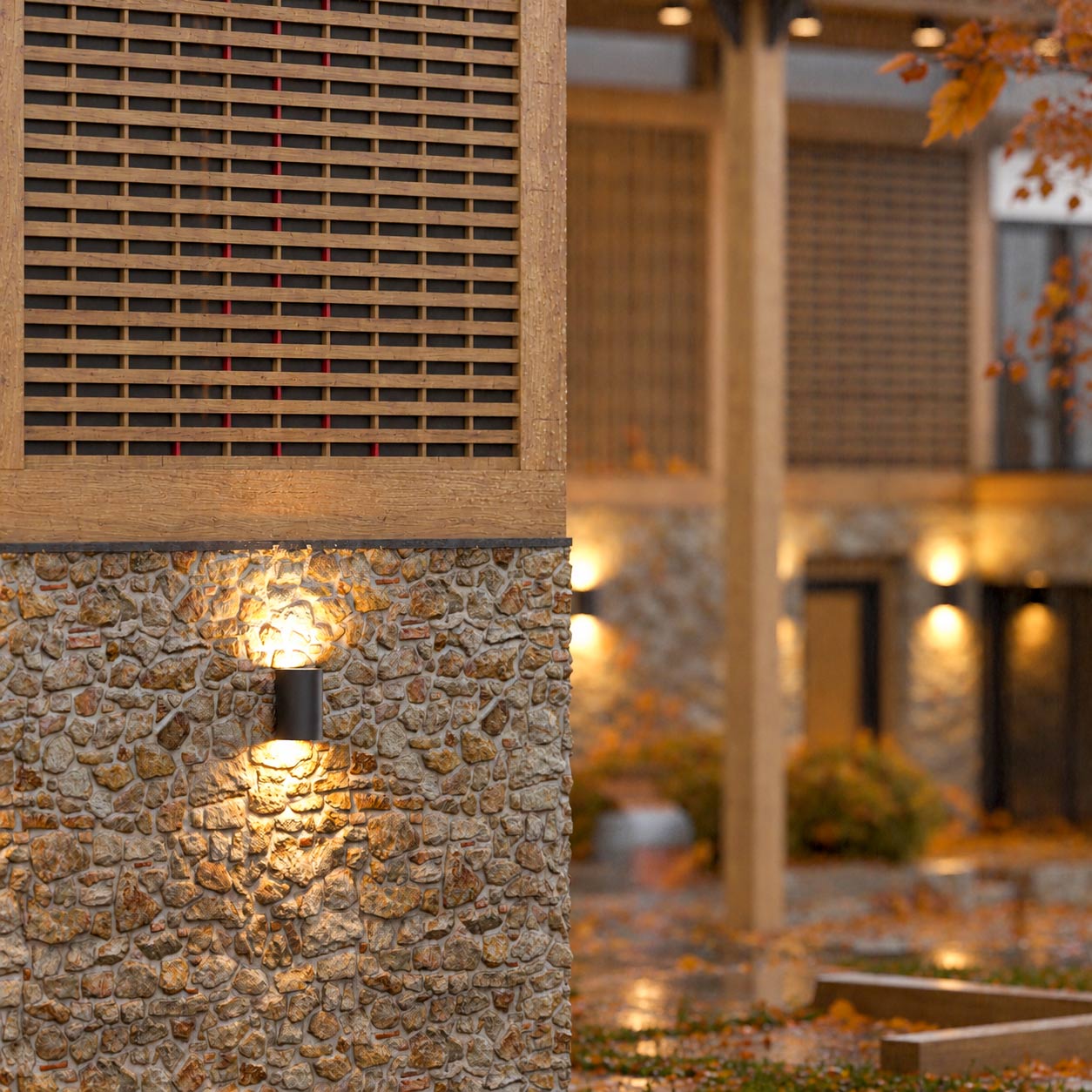
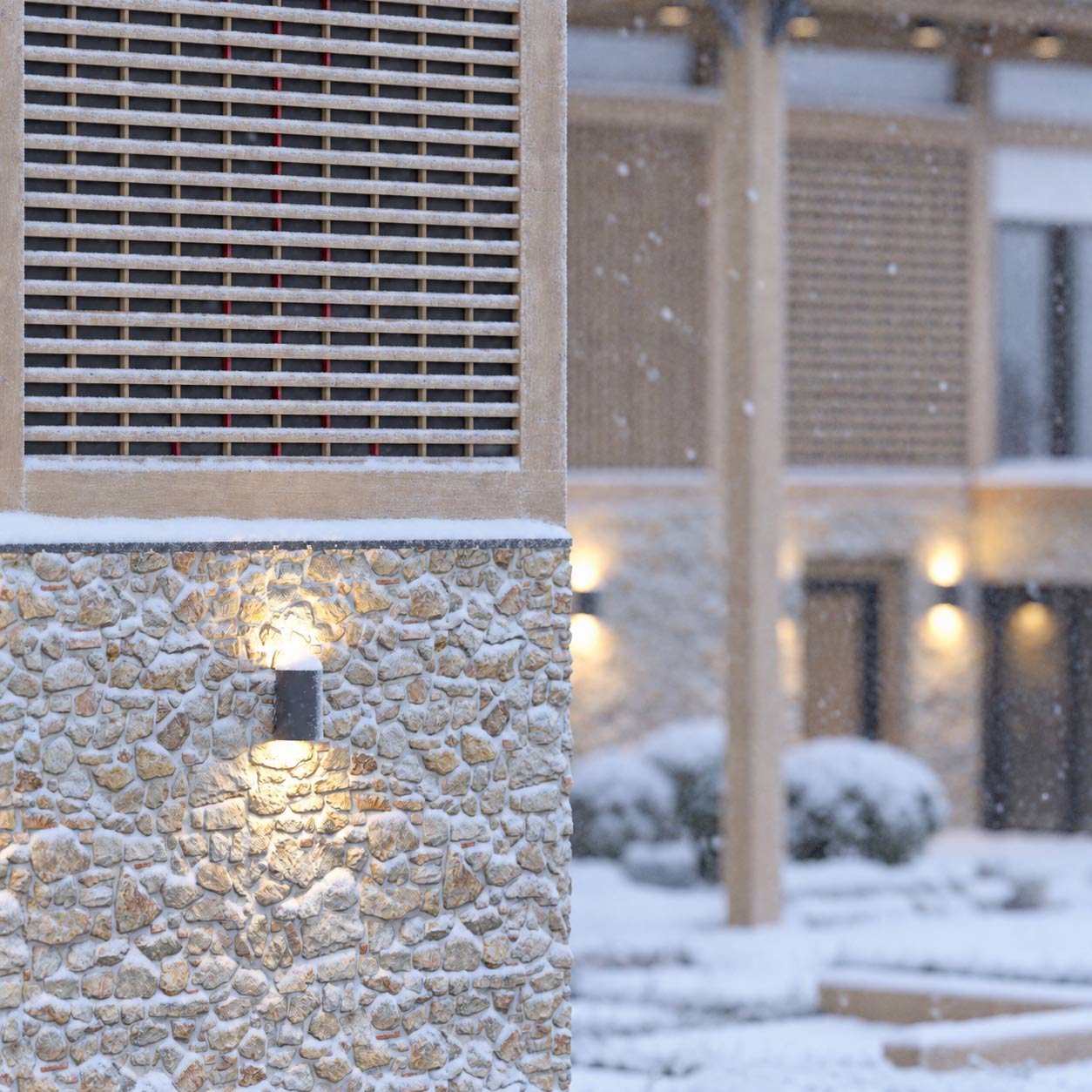
If architecture is a language, then a single architectural grammar should be capable of expressing more than one identity.
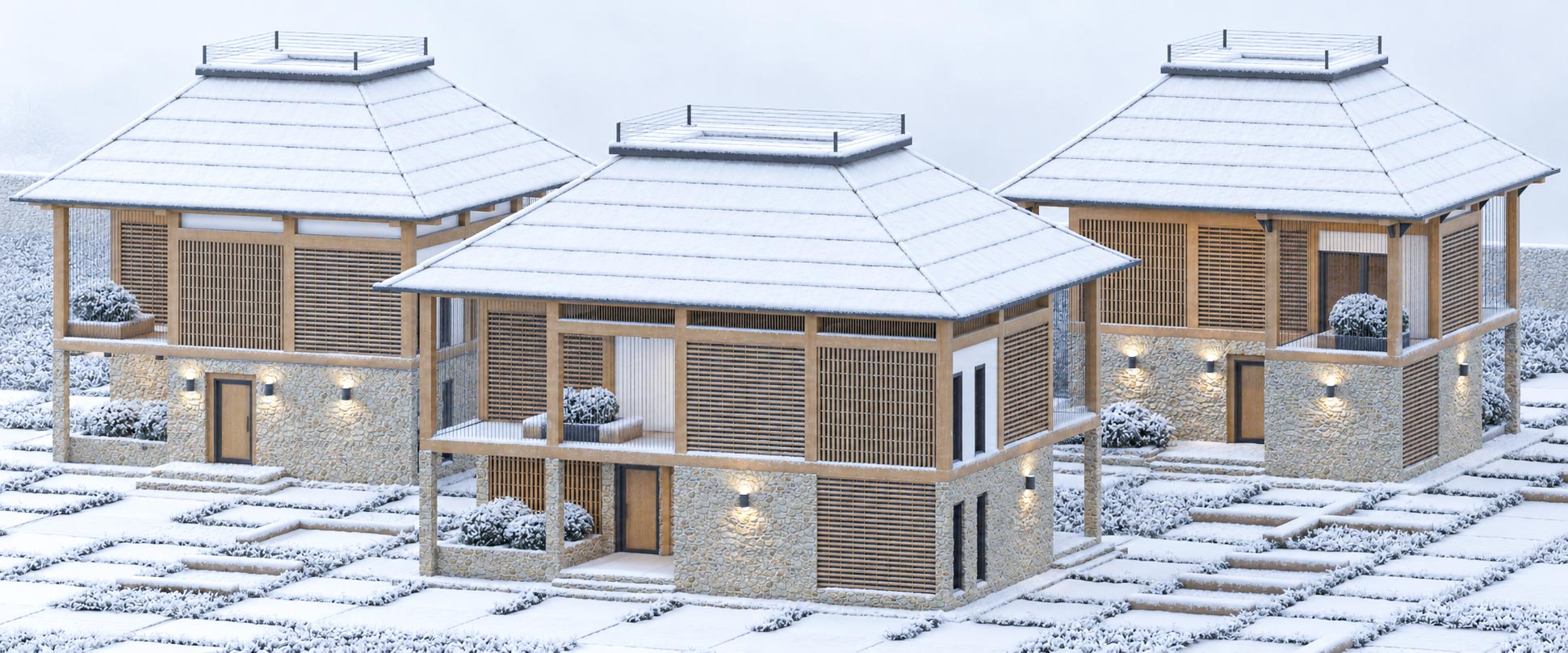
Forest Pavilions: Dinaric Archetype is an exploration of this principle: a reinterpretation of the original Forest Pavilions system through the material, morphological, and symbolic characteristics of traditional Dinaric architecture.
The project does not introduce a new architectural system. Instead, it examines the capacity of an existing one to accommodate a different architectural identity without abandoning its underlying logic.
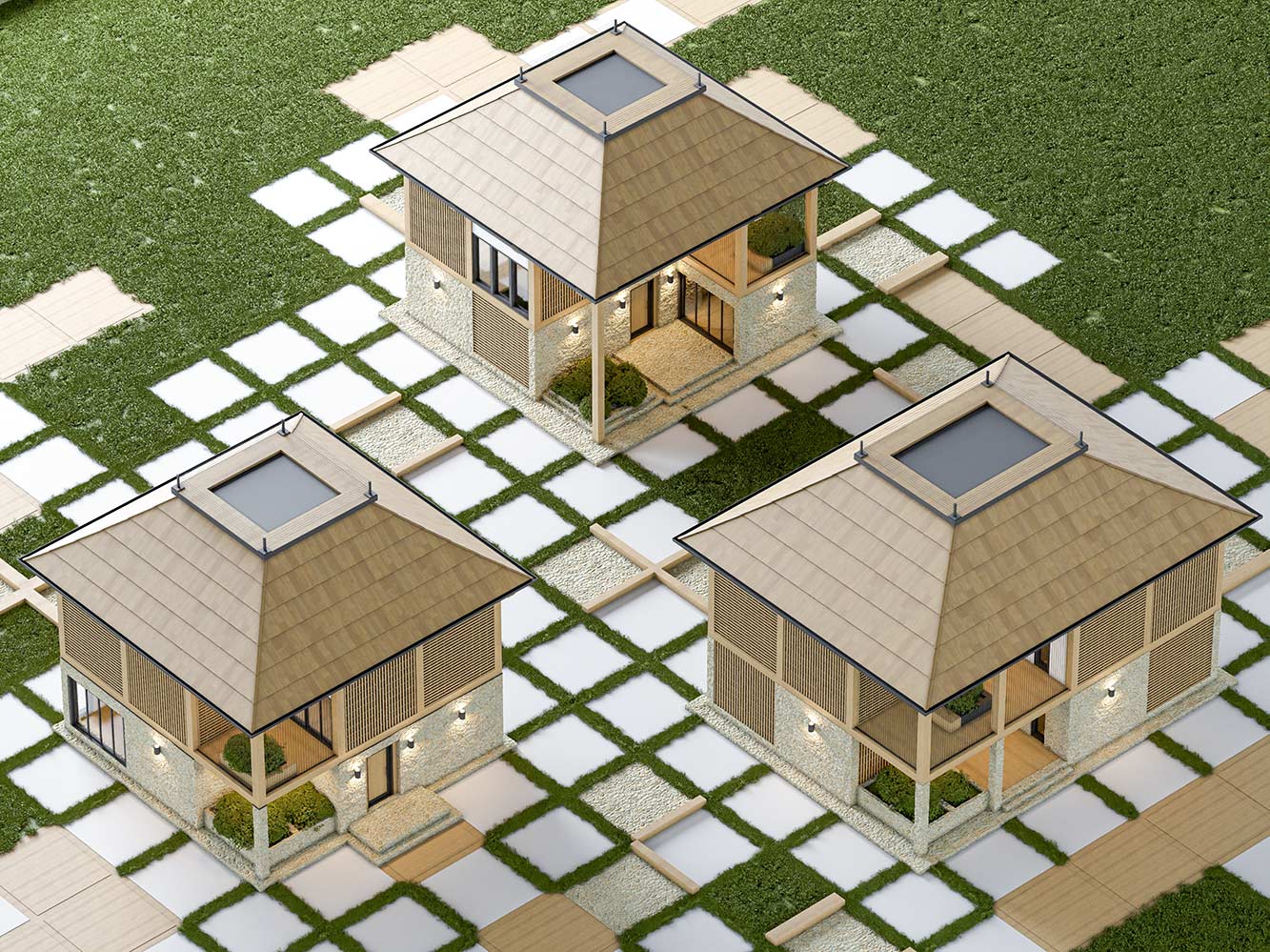
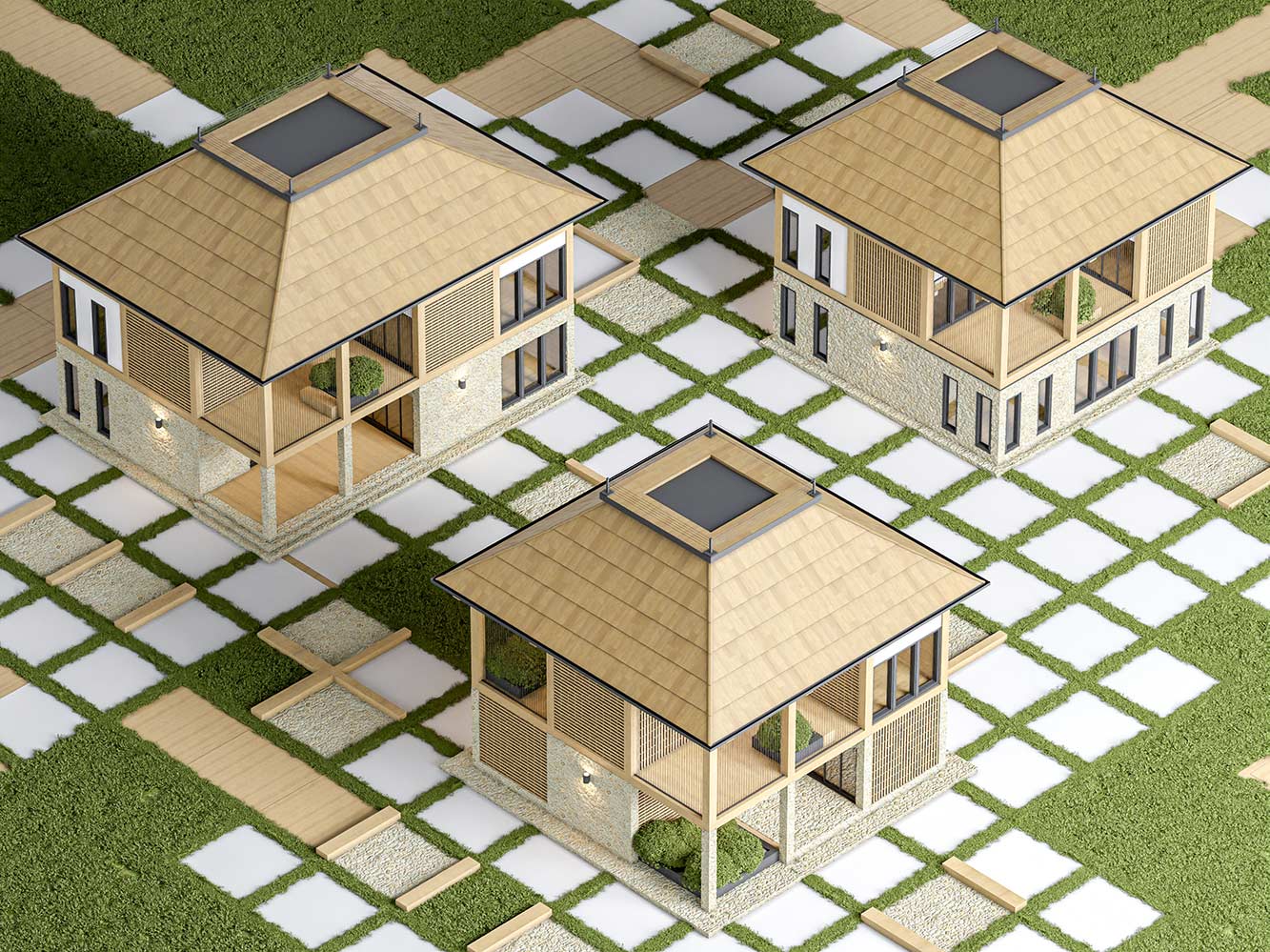
The original 3 x 3 metre modular matrix remains intact. The facade panels retain their compositional principles, the portals preserve their spatial and symbolic roles, and the modular logic continues to govern the relationship between individual elements and the architectural whole.
What changes is the morphological expression.
The abstract language of Forest Pavilions encounters the memory of a particular place.
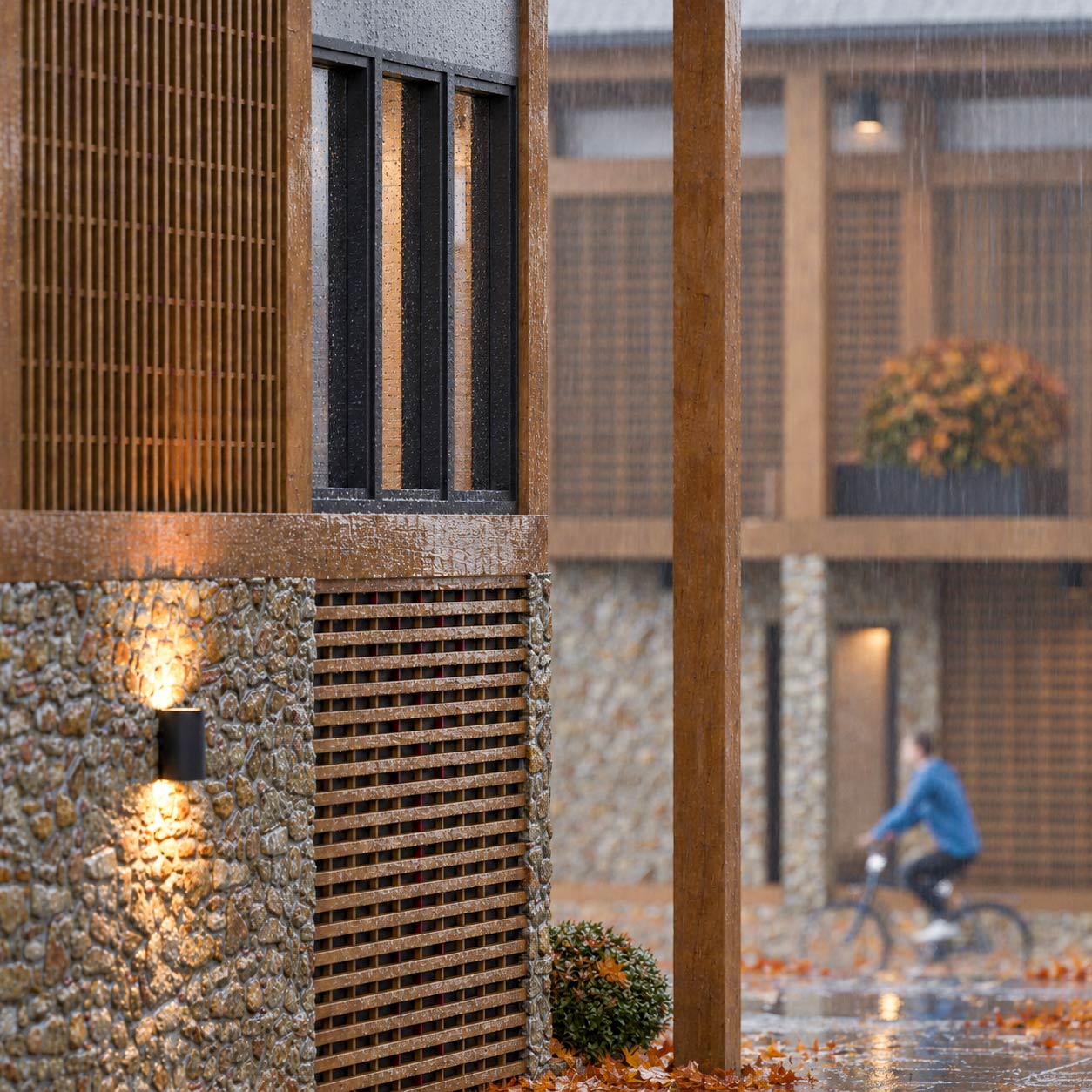
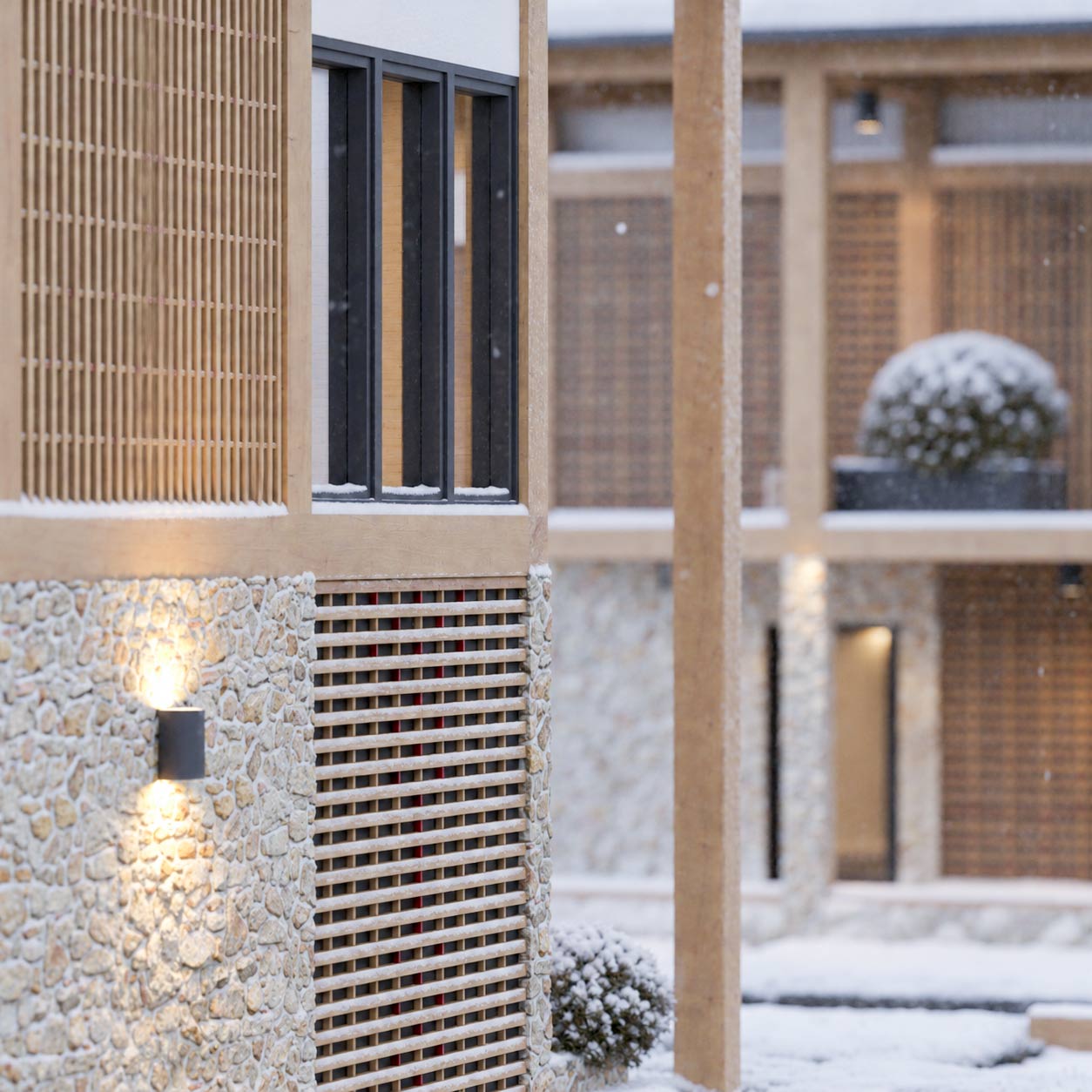
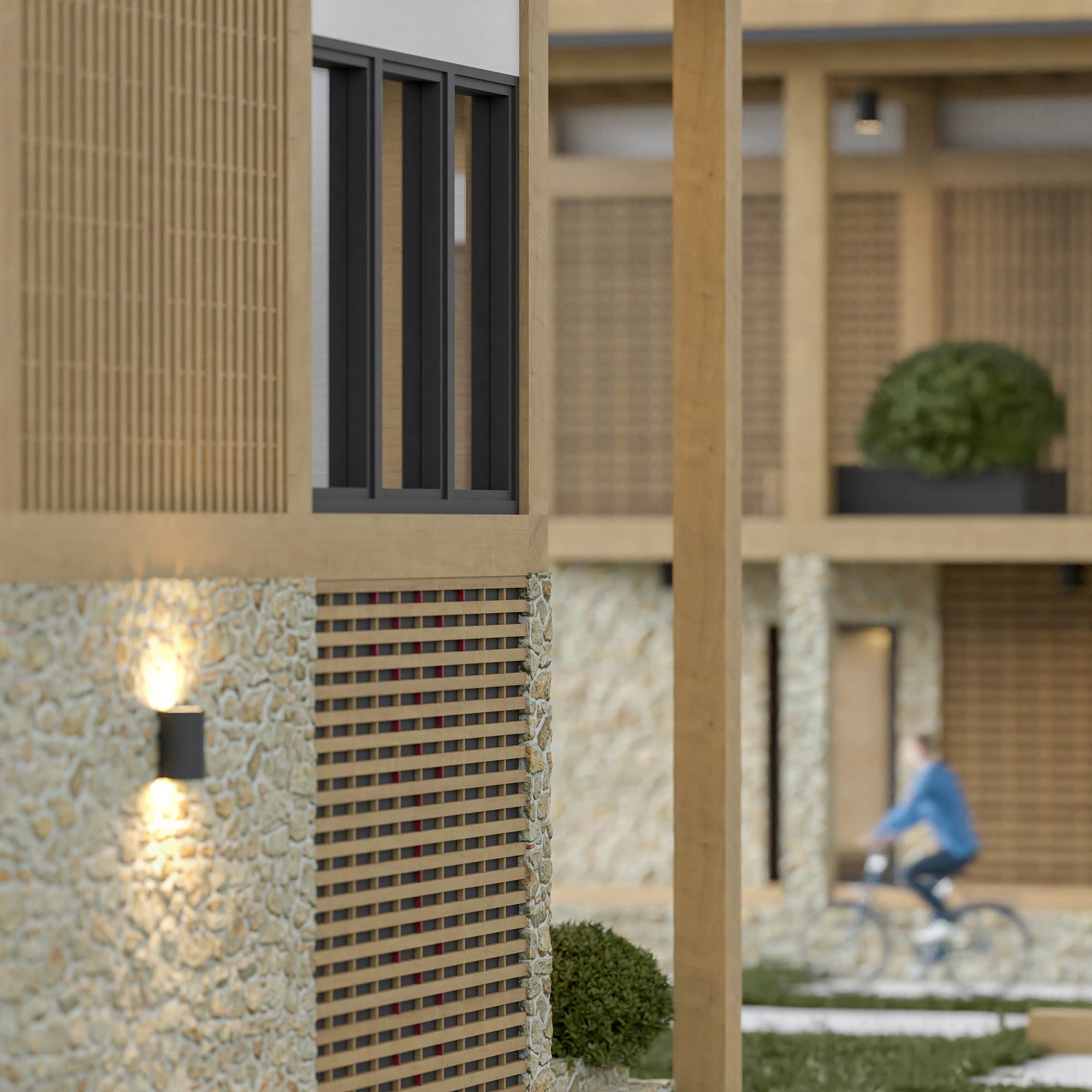
THE ARCHETYPE: STONE, TIMBER, AND ROOF
Traditional Dinaric architecture emerged through a direct relationship between human habitation, natural resources, and the conditions of the landscape.
Stone, timber, and the pitched roof were not merely aesthetic choices. They constituted a particular architectural response to the environment, eventually becoming recognizable elements of a regional building identity.
In this reinterpretation, these elements are introduced into the contemporary modular system.
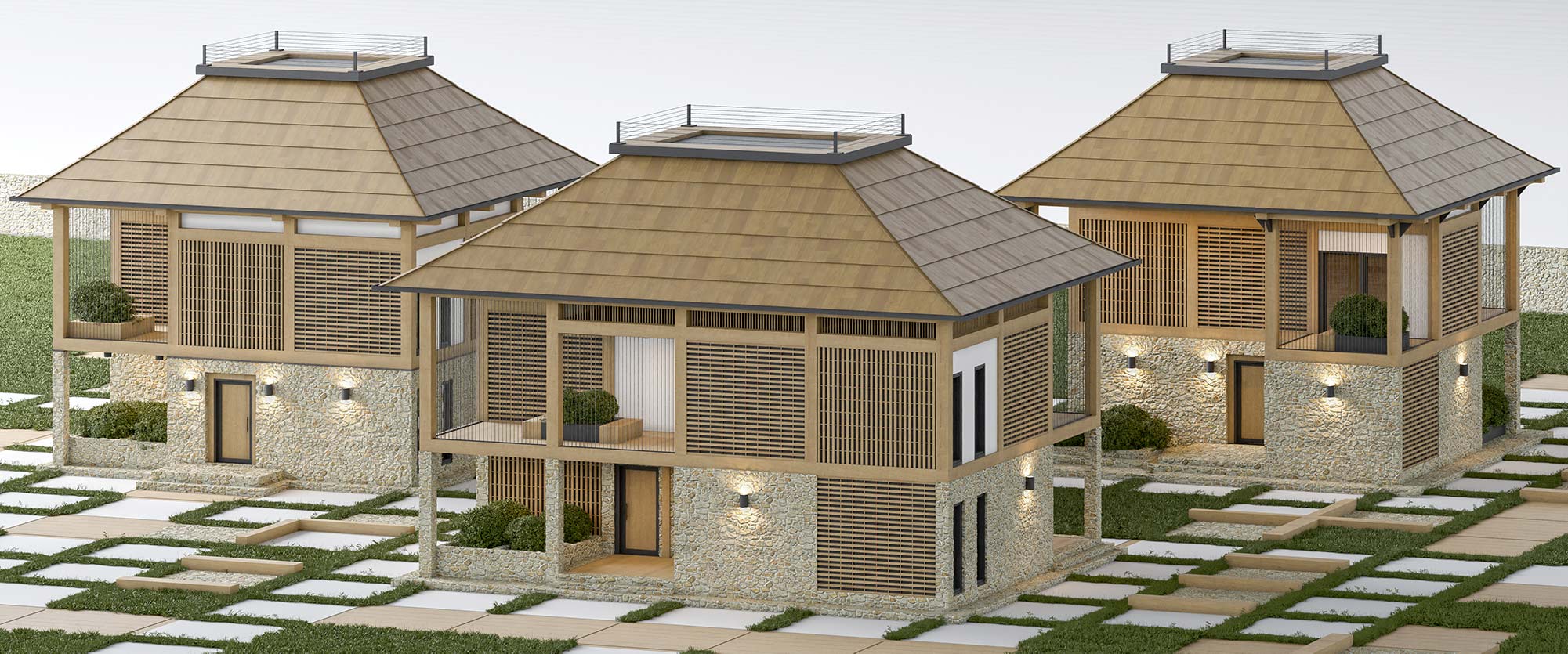
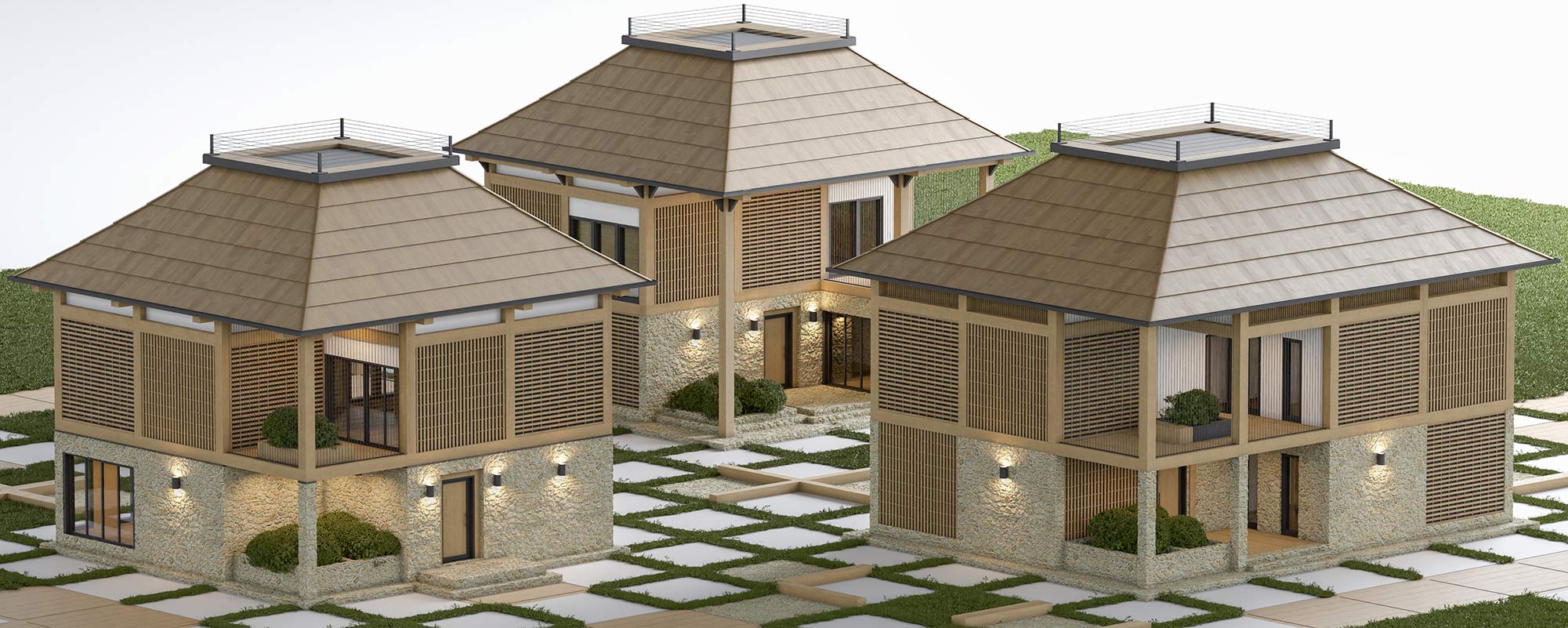
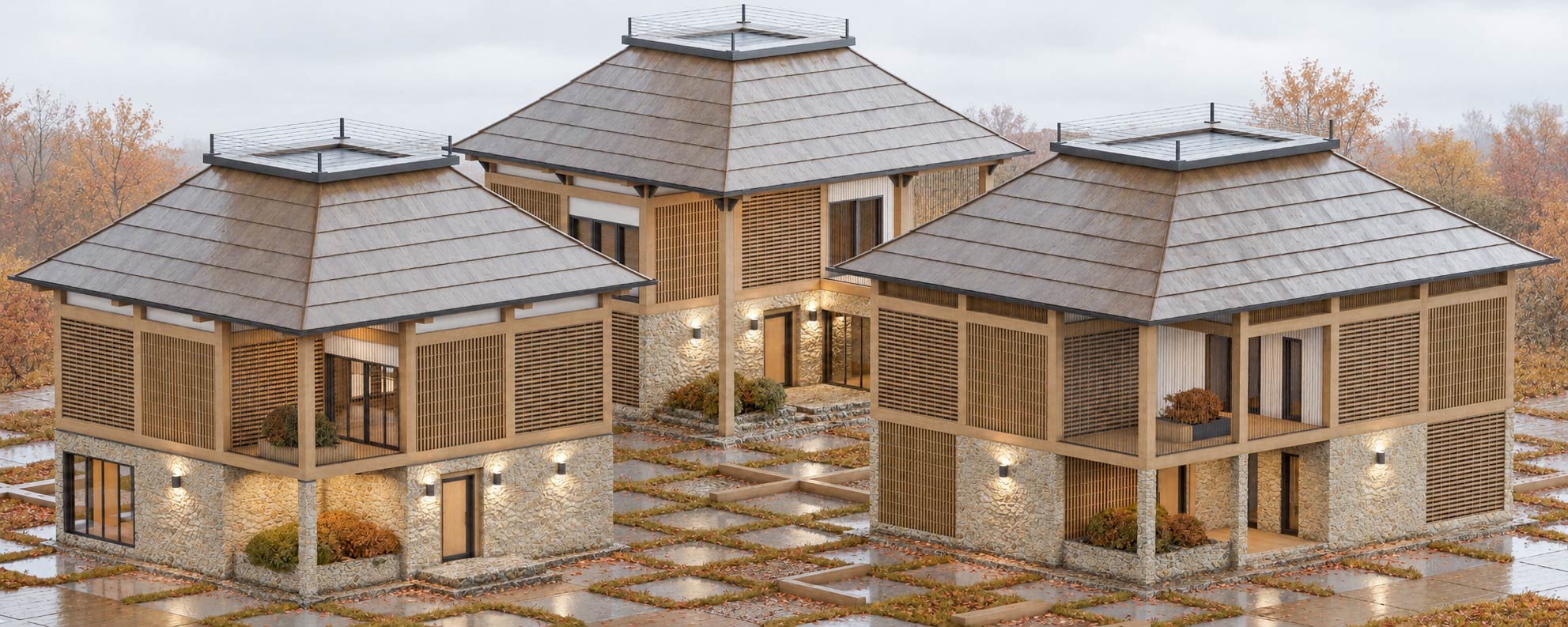
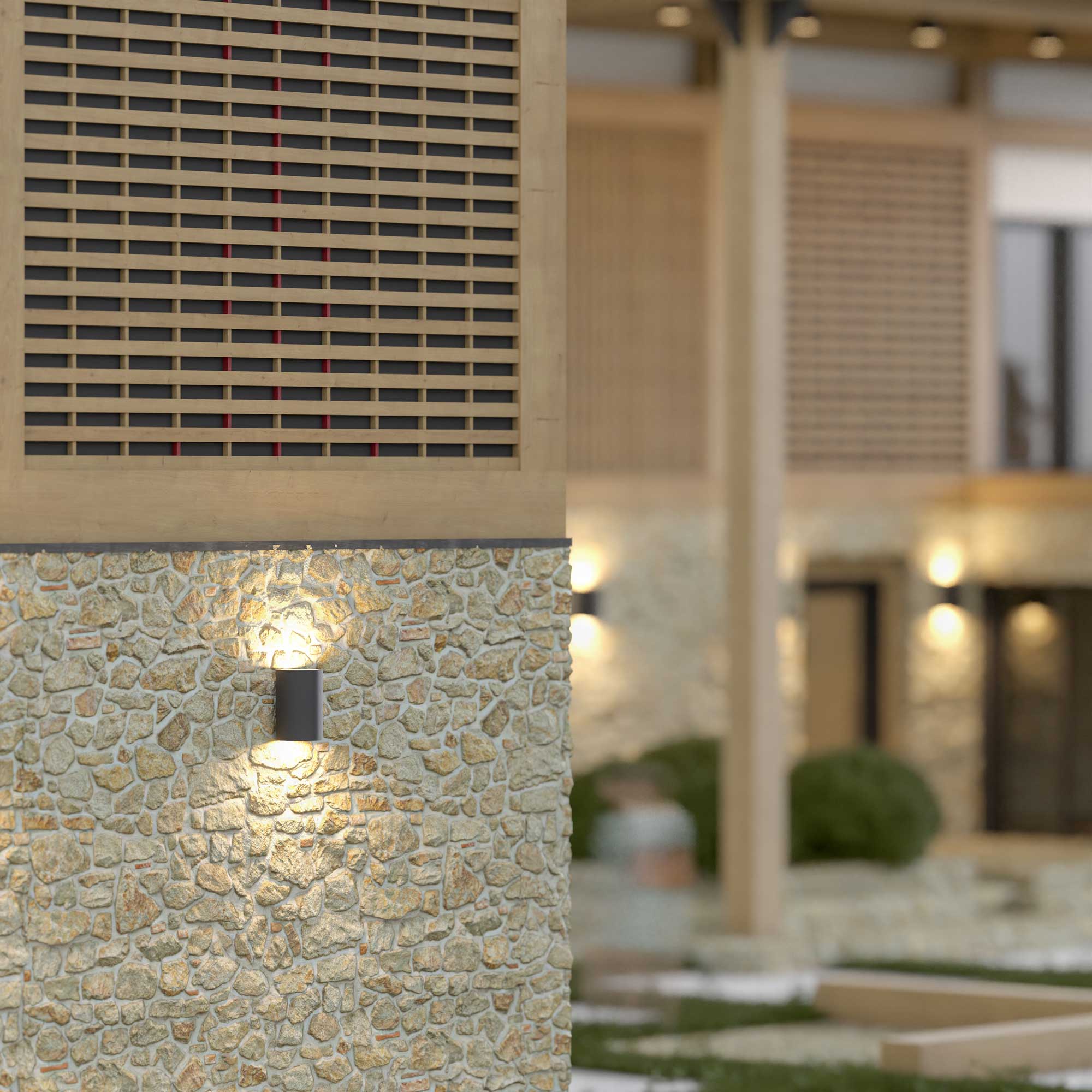
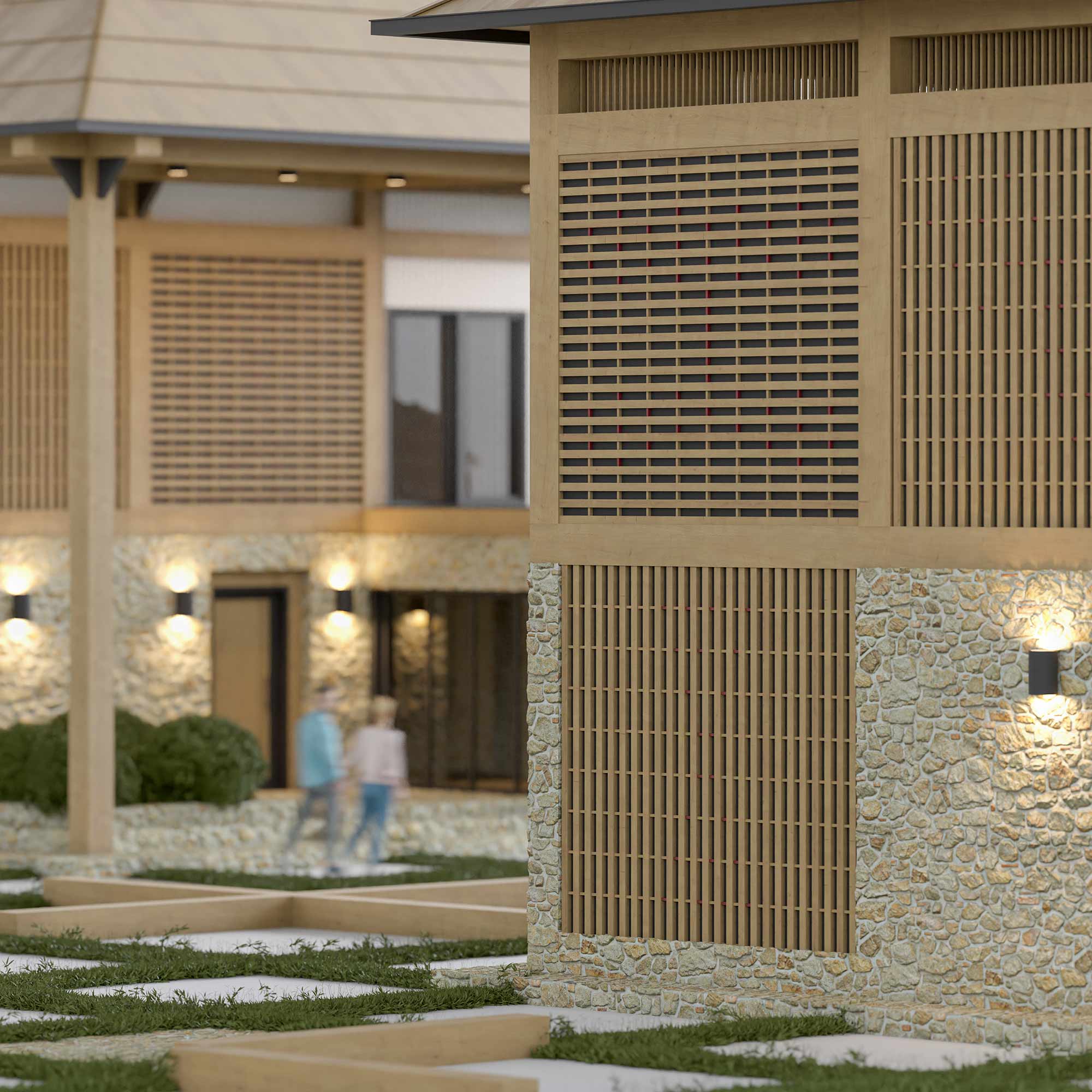
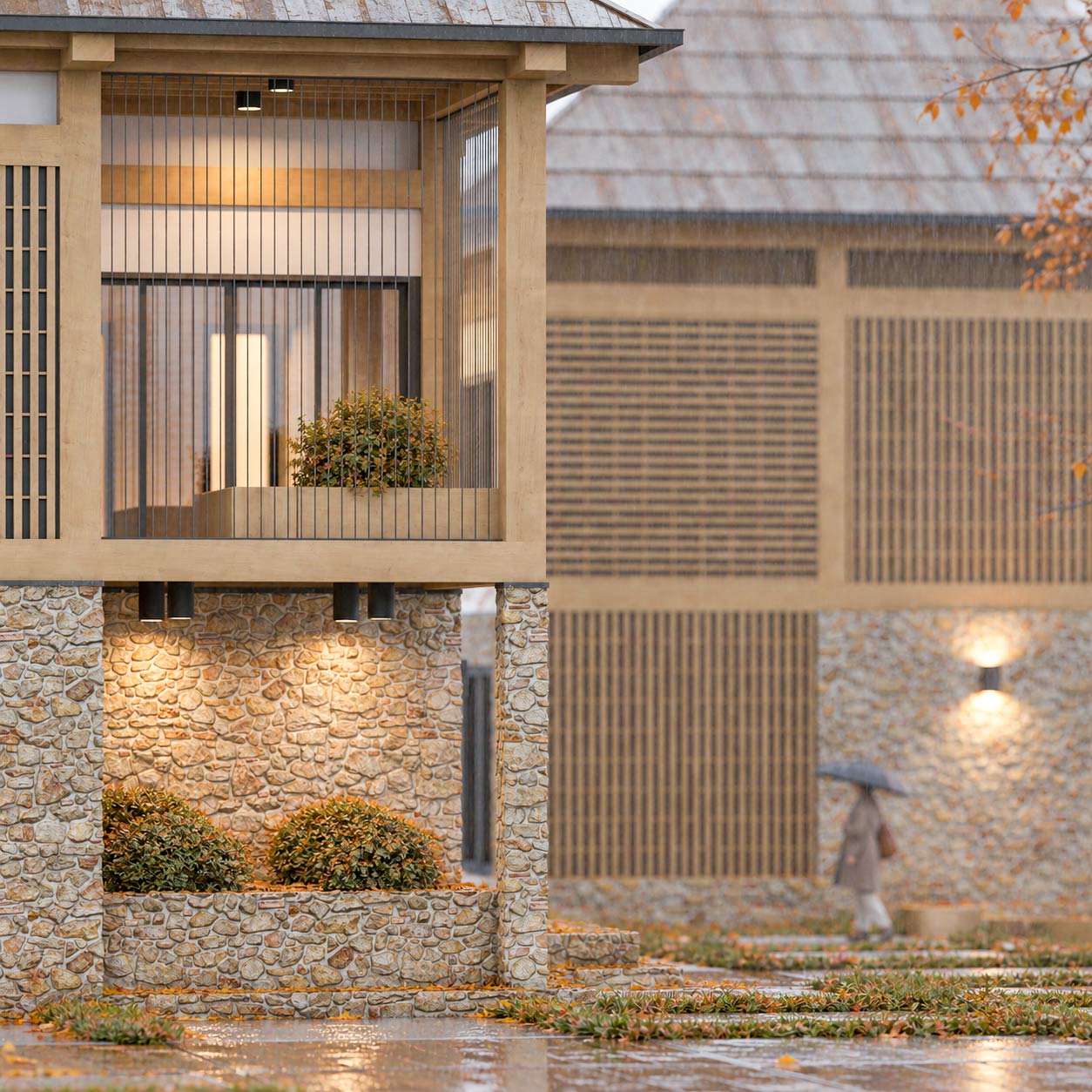
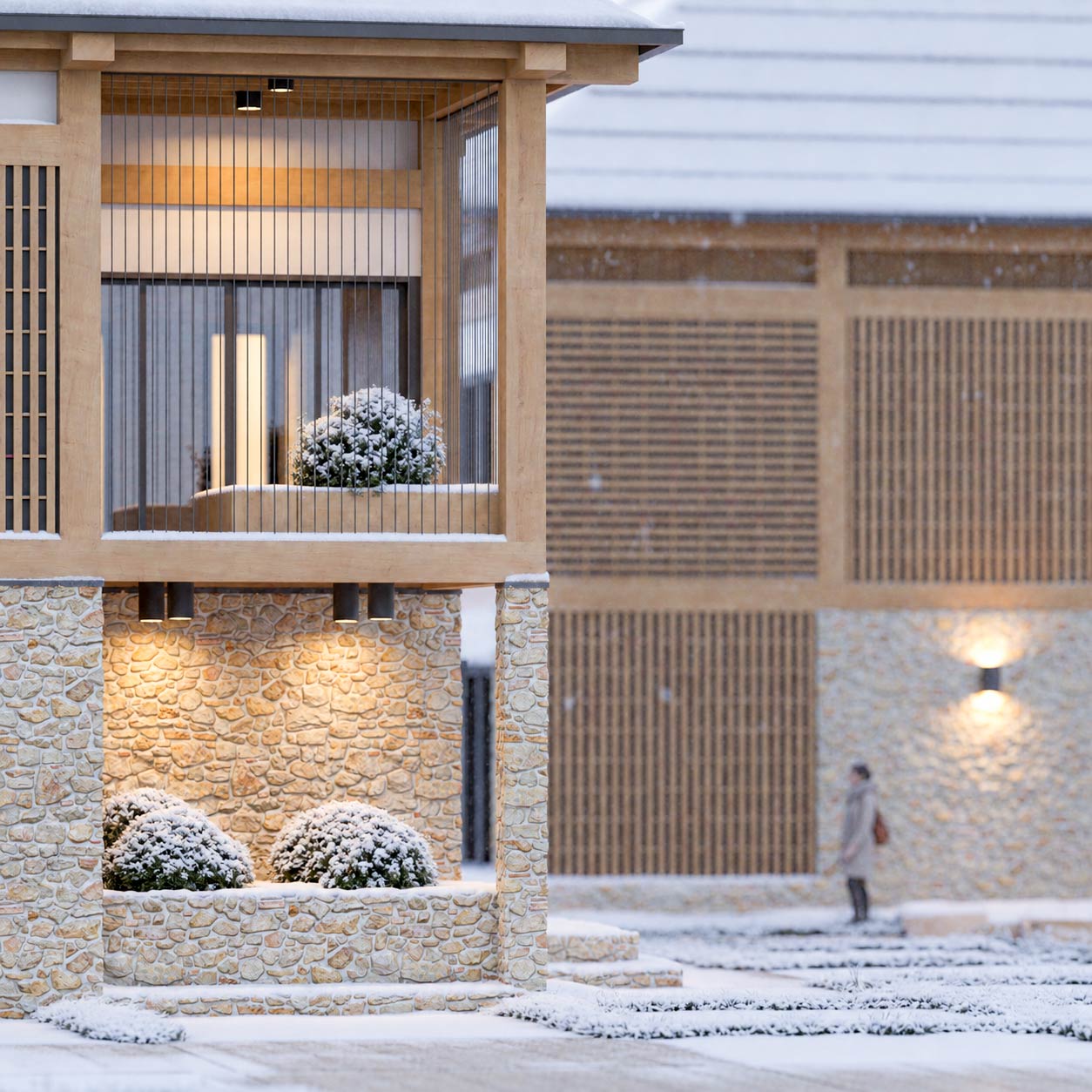
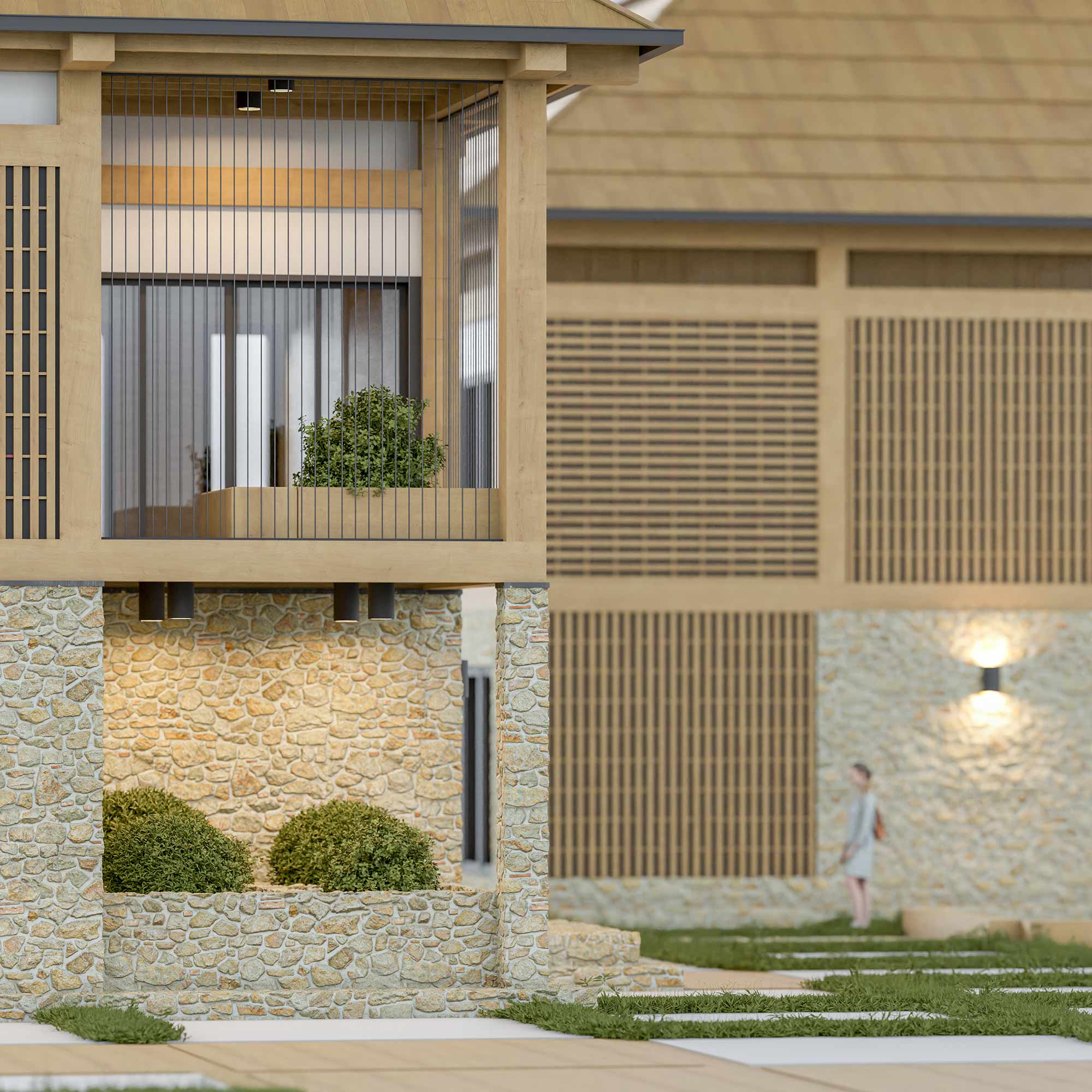
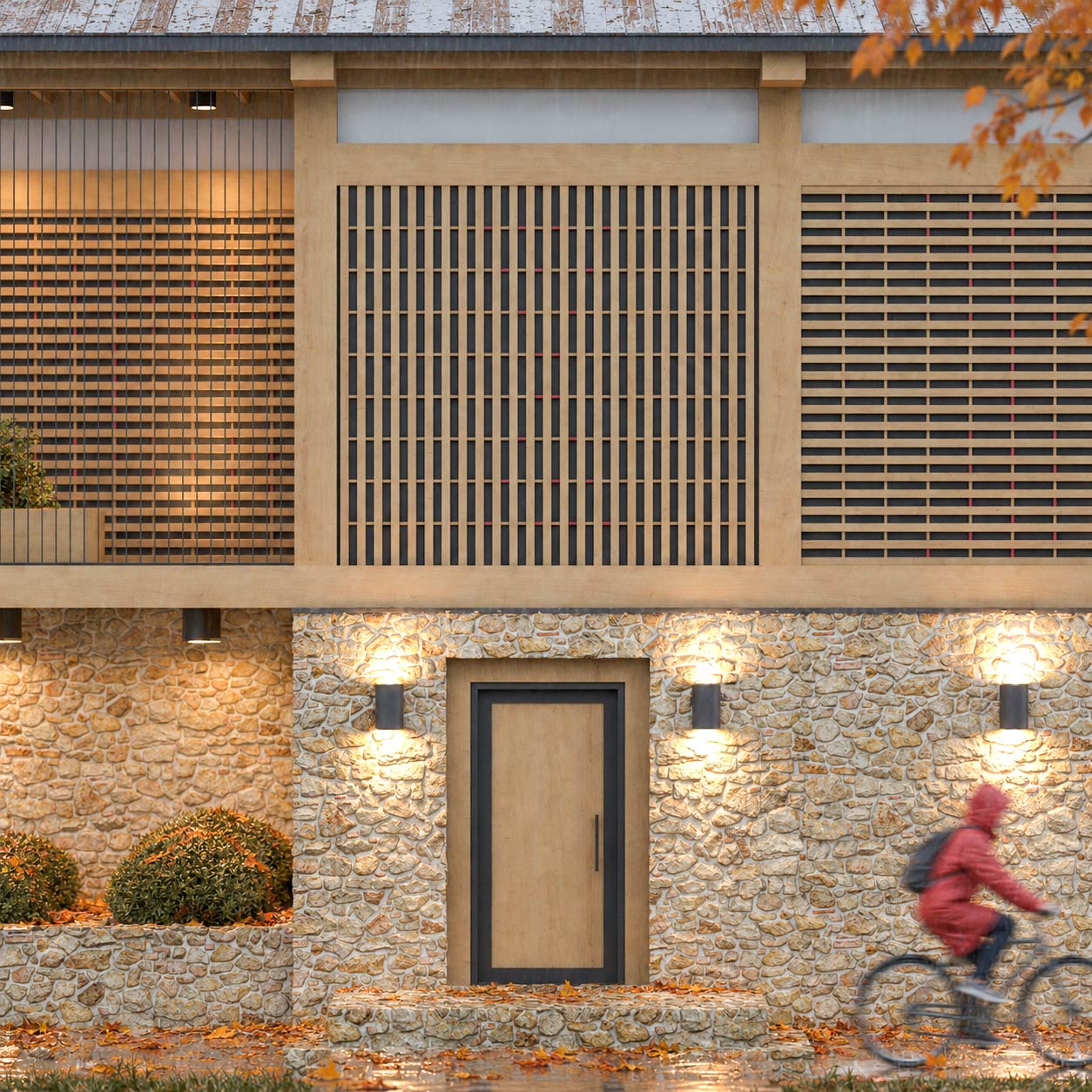
Stone forms the ground floor, establishing a sense of permanence, weight, and belonging to the earth.
Timber defines the upper floor, introducing lightness, rhythm, and an architectural relationship with the surrounding vegetation.
The pitched roof completes the composition, replacing the abstract horizontal termination with a form associated with shelter, protection, and the historical image of the house.
Together, these three elements establish a vertical hierarchy, from the grounded and enduring to the lighter and more expressive.
The building acquires a different presence without changing its fundamental organizational principles.
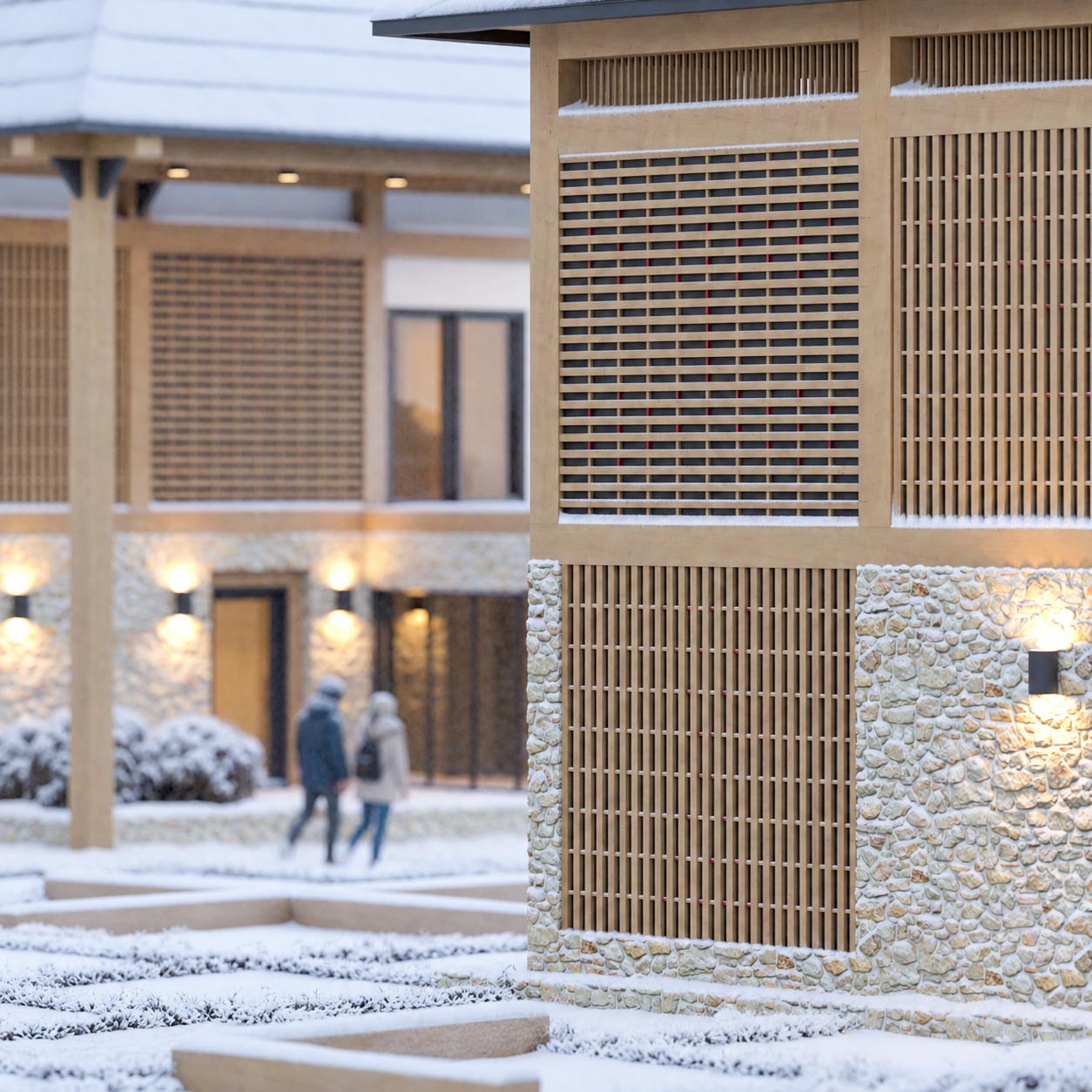
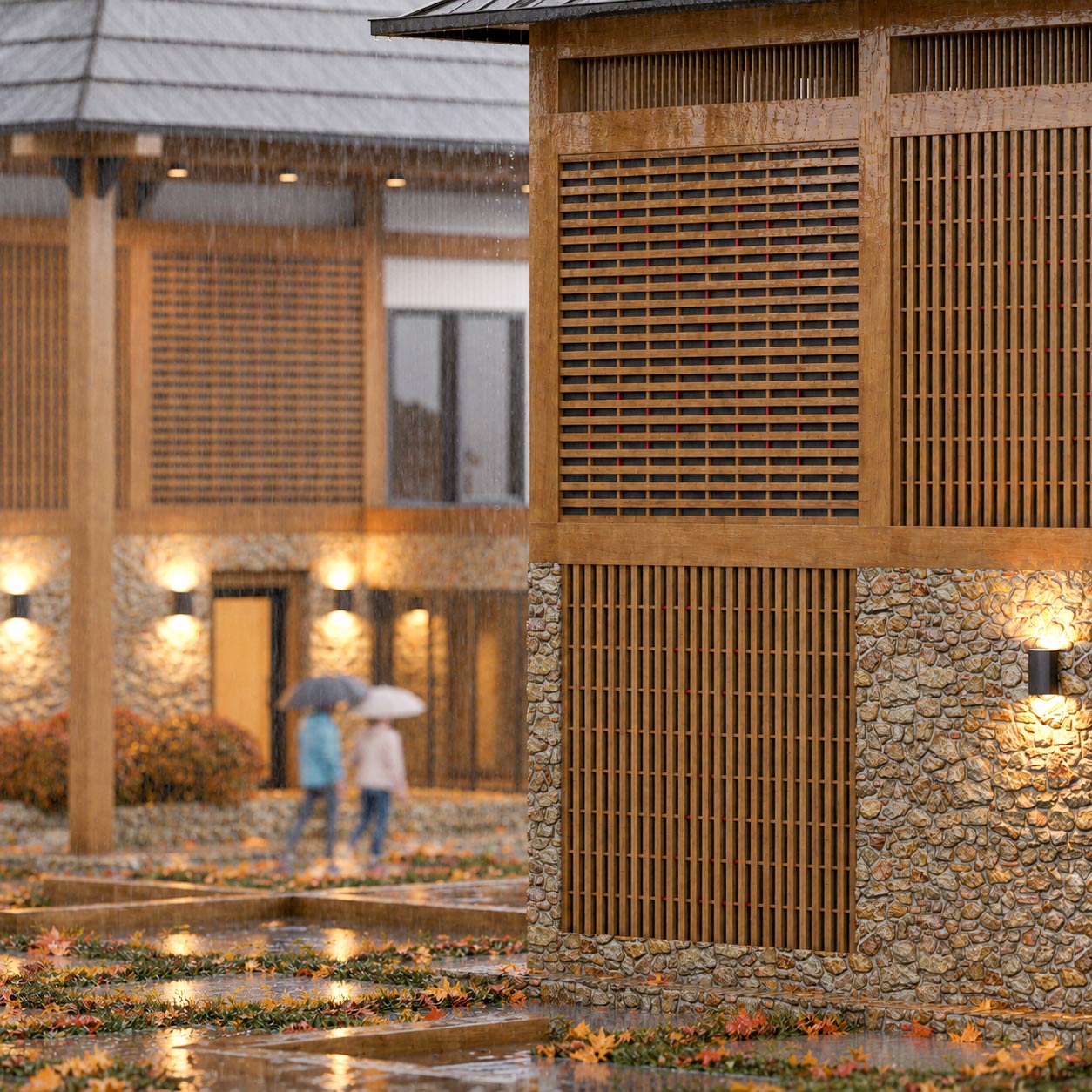
ARCHITECTURE AS A LIVING LANGUAGE
The central question of this study is not whether traditional architecture can be reproduced using contemporary construction techniques.
It is whether an architectural system can reinterpret historical forms without becoming dependent on historical imitation.
A language remains recognizable not because every sentence is identical, but because its internal rules establish continuity between different expressions.
The same principle applies to Forest Pavilions.
Its modular dimensions, facade panels, portals, and compositional relationships constitute an architectural grammar. The Dinaric variation demonstrates how this grammar can generate a new expression through the transformation of its material and morphological vocabulary.
Stone and timber do not replace the system. They become its new means of articulation.
The pitched roof does not negate the modular matrix. It introduces another layer of meaning into the existing composition.
The result is neither a reconstruction of a traditional Dinaric house nor an entirely independent contemporary design.
It is a synthesis in which the memory of vernacular architecture is articulated through the logic of a contemporary architectural language.
THE CONTINUITY OF FORM
The original Forest Pavilions project was conceived around a simple proposition: a limited number of elementary components can generate an extensive range of architectural configurations.
The Dinaric Archetype extends this proposition beyond spatial composition.
It suggests that modularity need not produce architectural uniformity. On the contrary, a sufficiently coherent system can become the foundation for different regional, cultural, and symbolic expressions.
The architectural identity is no longer determined exclusively by a fixed exterior appearance, but by the relationship between an enduring internal logic and its changing manifestations.
In this sense, the Dinaric Archetype is not a departure from Forest Pavilions.
It is another expression of the same architectural idea.
The grammar remains. The expression evolves.
The Architectural Mythologems
Forest Pavilions: Architectural Study, 2026
GET THE ARCHITECTURAL STUDY